


I could write pages upon pages on the history of Itō, but I’d definitely get something wrong. I’ll stick to what I do best.
I enjoy a good photowalk, especially in areas that show me history. Itō has significant and vast amounts of it, going back hundreds of years. Itō’s history is intertwined with two of Japan’s most legendary figures. In the 12th century, Kamakura Shogunate founder Minamoto no Yoritomo was exiled to Ito. It was here, he planned the rebellion that would eventually change the course of Japanese history. Wiki info here.
Centuries later, in the early 1600s, Ito was the site of an extraordinary meeting of East and West. William Adams (the inspiration for the novel Shogun) was an English sailor pilot/captain who was ordered to build Japan’s first Western-style sailing vessels in the early 1600s on the shores of Ito. This brief period of time turned the sleepy fishing village into a center of cutting-edge technology of its time.
Whew. This is getting complicated. Let’s jump ahead 400+ years, shall we?
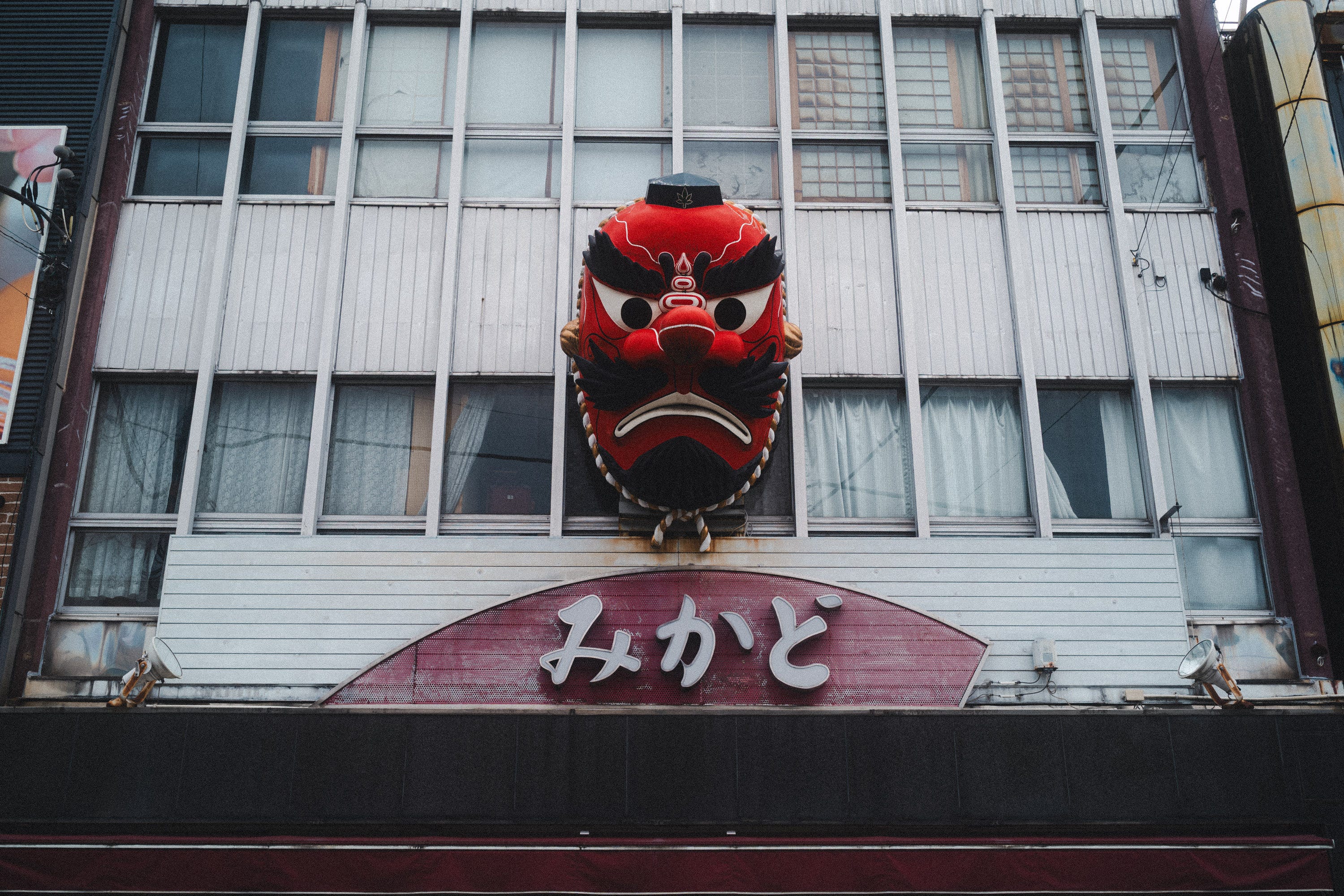
Ito’s vibrant heyday began in the Showa Era (1926–1989), specifically around the late 1920s and 1930s, but I’m going to show you images of the area that looks to me, like it was popular during the 1980s, and 1990s.
Before I get on with this, if you’d like to know more about Ito, Encyclopedia Britannica has a solid overview of the city’s general history, including the banishment of Minamoto no Yoritomo and the development of the city as a resort. Have a visit here to learn more. https://www.britannica.com/place/Ito
Onward.
I’m fond of Ito. The architecture and lines from late Showa-era buildings really made a mark on me upon my first visit and I sometimes return a few times a year to capture images of the area. This last visit was during the day, and I wandered to see what textures laid in wait for me to photograph. The ocean breeze and the call of Tokyo has taken a toll on this once vibrant town.
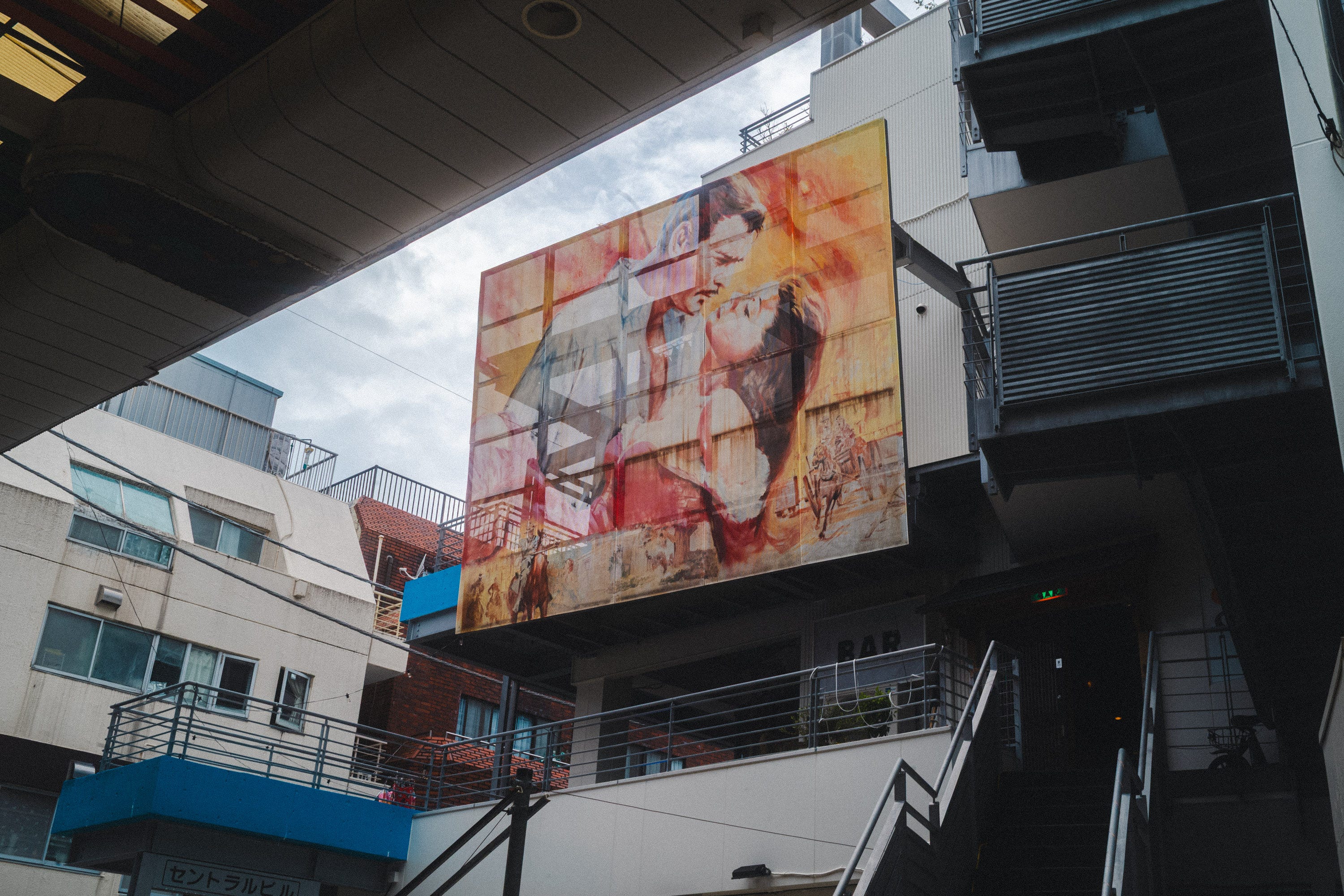
Ito’s modern heyday was the 1980s, Japan’s “bubble economy” years. During this period the town was a playground of Tokyo’s elite. Massive resort hotels (such as the famed Hatoya Hotel) were created as national icons, and the city peaked at an all-time high of nearly 7 million visitors in 1988.
When the bubble burst in the early 1990s, the “excess” of Ito became its burden. The local economy, once powered by those swanky clubs and mammoth corporate retreats, started to shut down. Even the Tokaikan ryokan, a landmark institution, was forced to close its doors by the late 1990s as overnight guests dwindled.
These days, folks are taking day trips rather than long, expensive weekend retreats that Ito was known for. They often bypass the city center and head straight for Mt. Omuro or the Jogasaki Coast.
So let’s cut to the chase. I’m here for that Showa-era history. And after researching all this a bit, Ito really has opened my eyes to what it once was, what it is, and where it might be going.
Enjoy a bit of history.
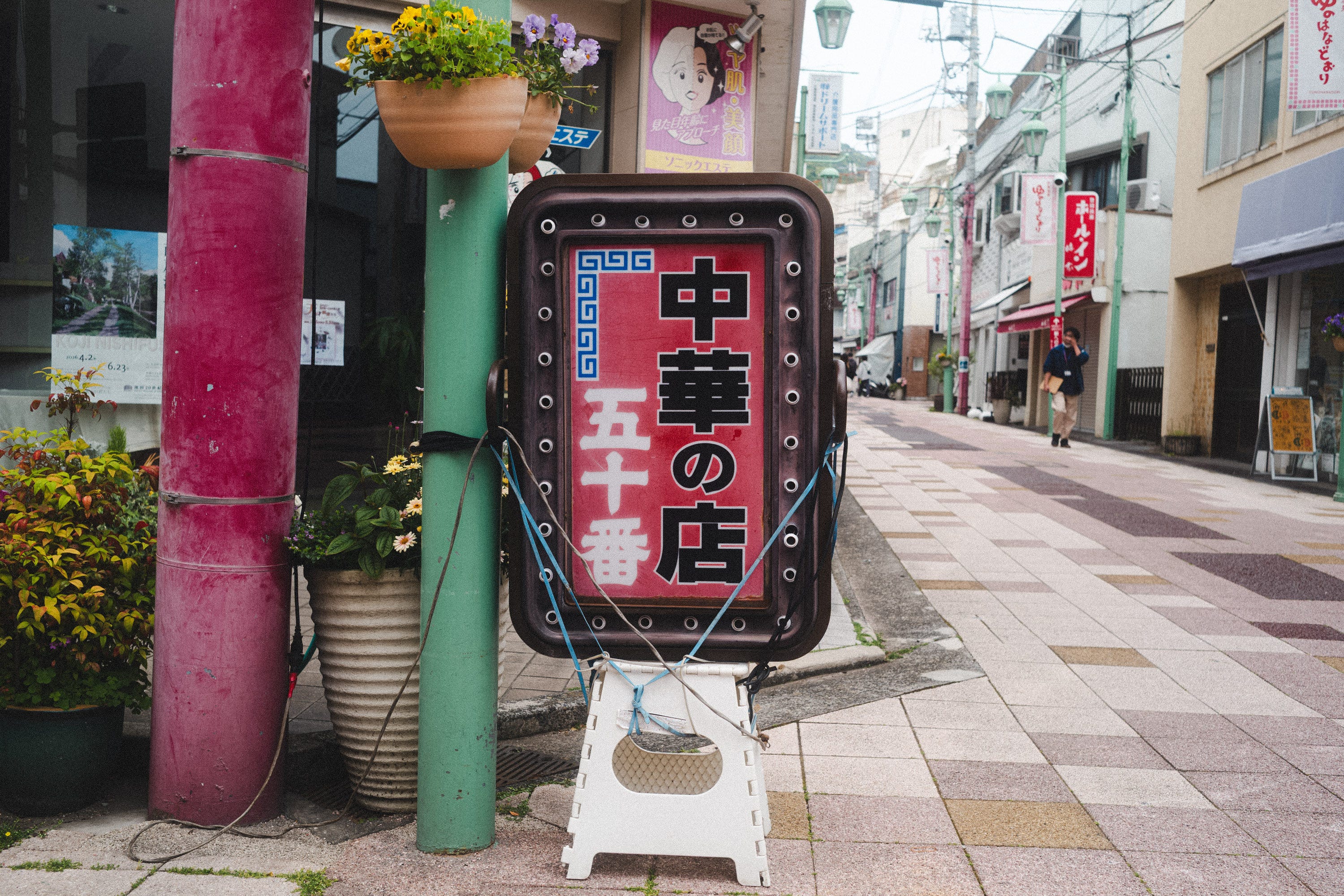
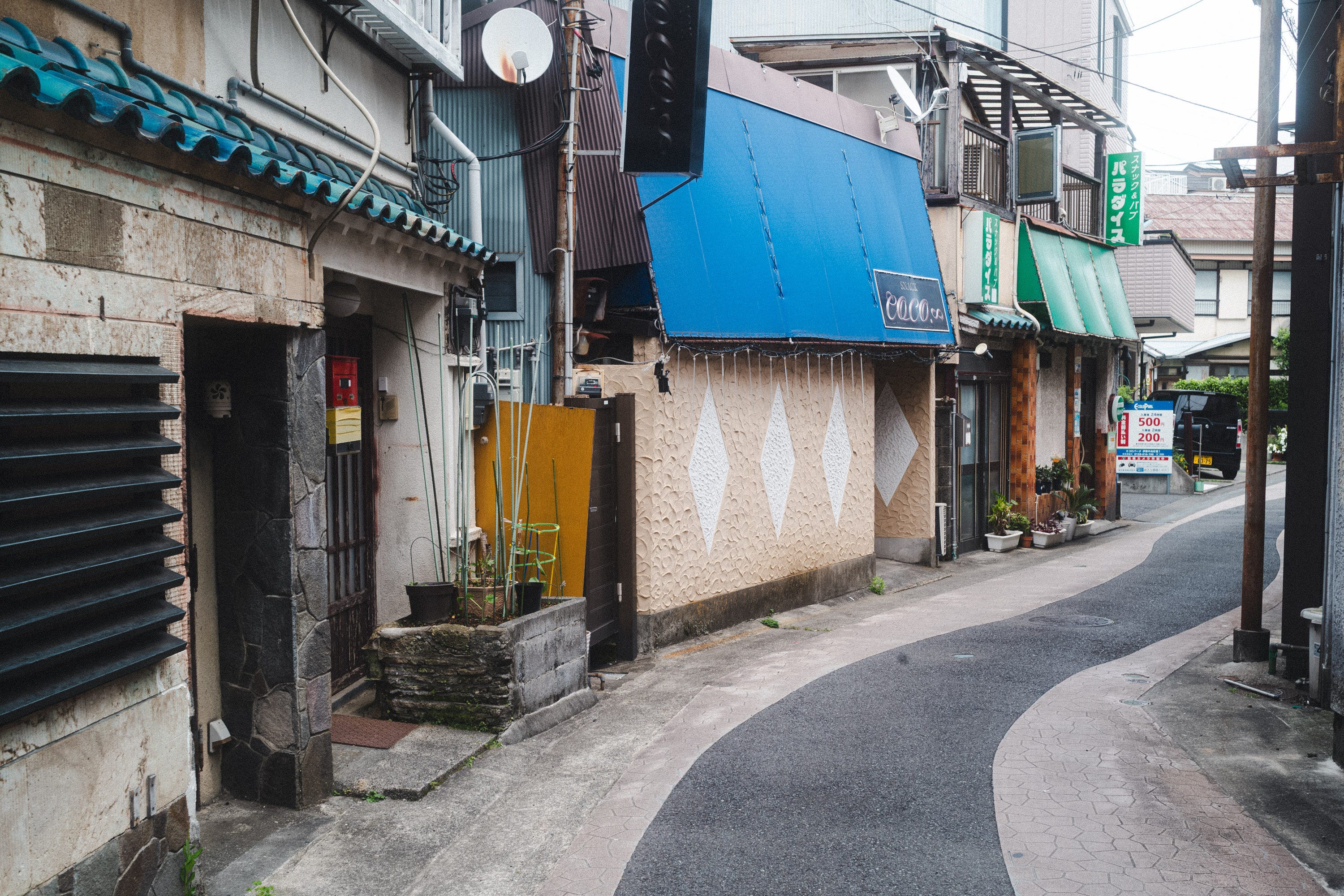
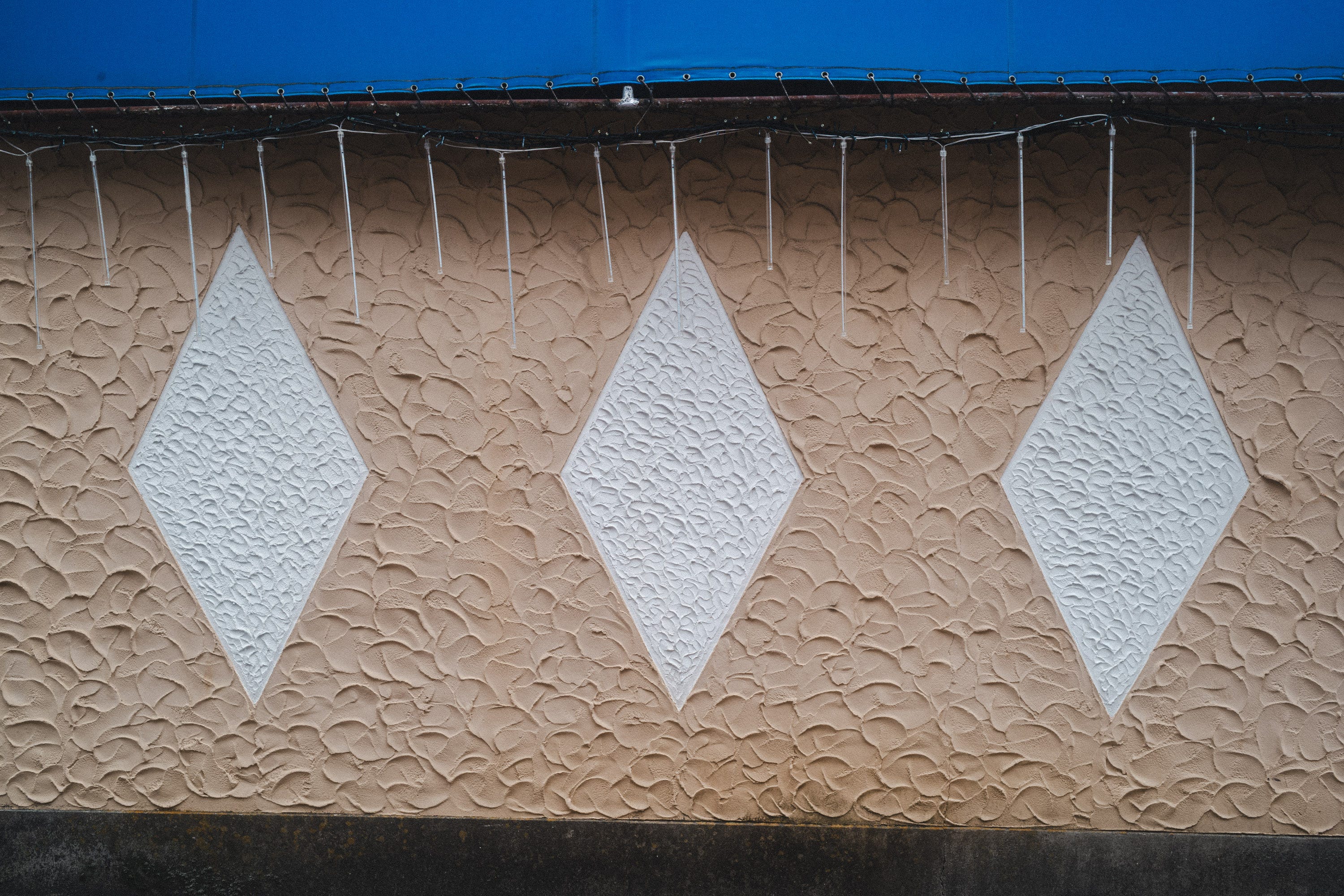
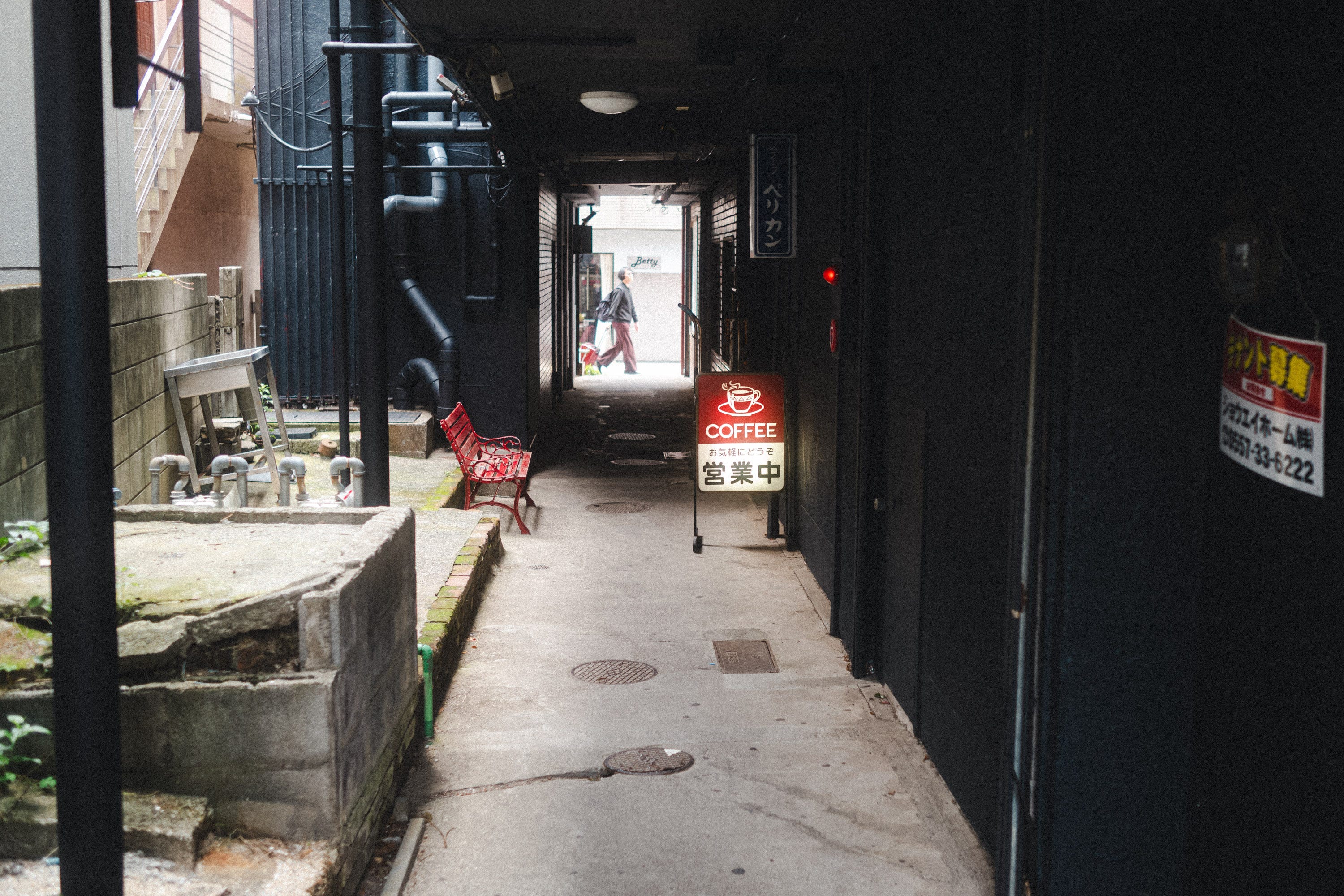
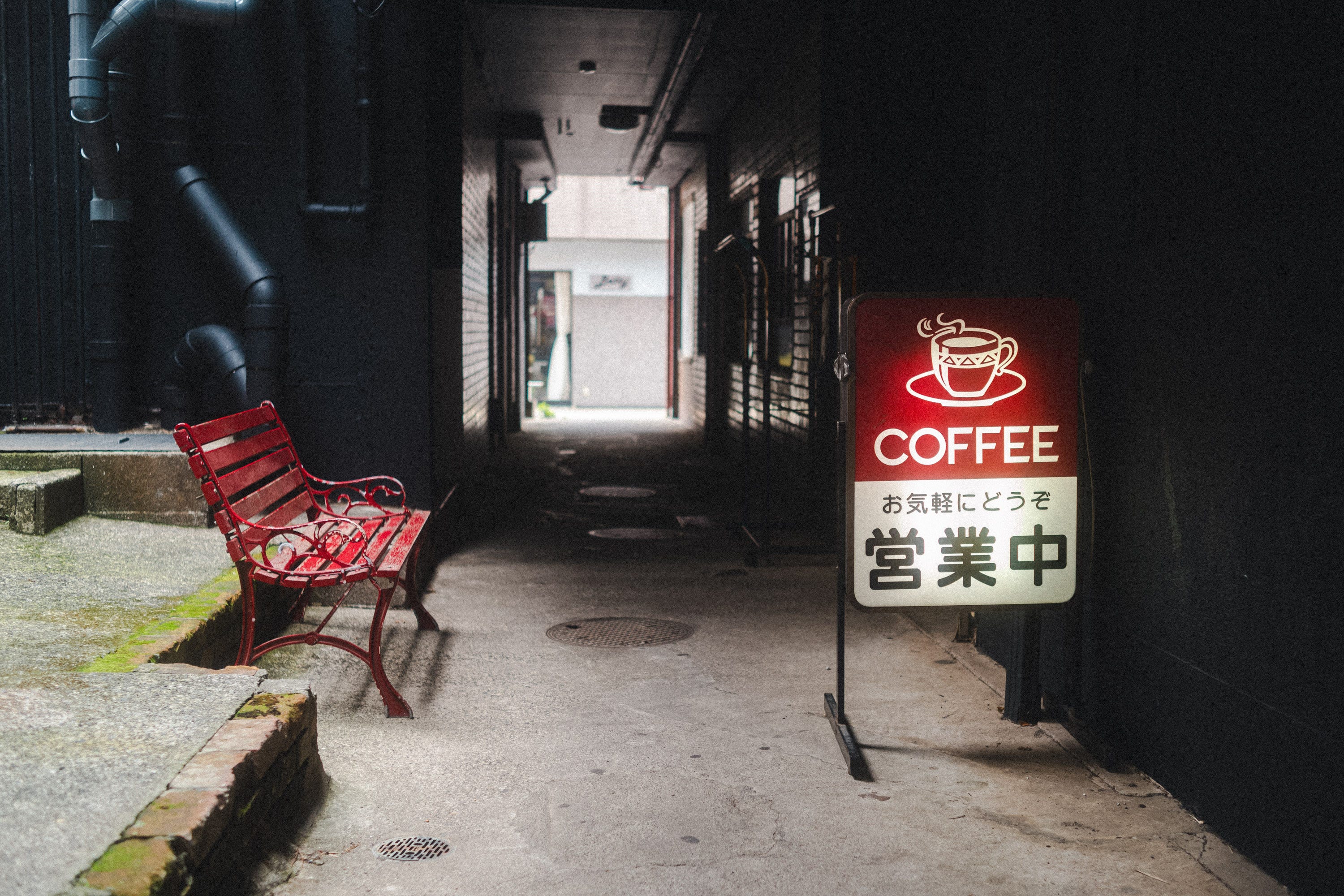
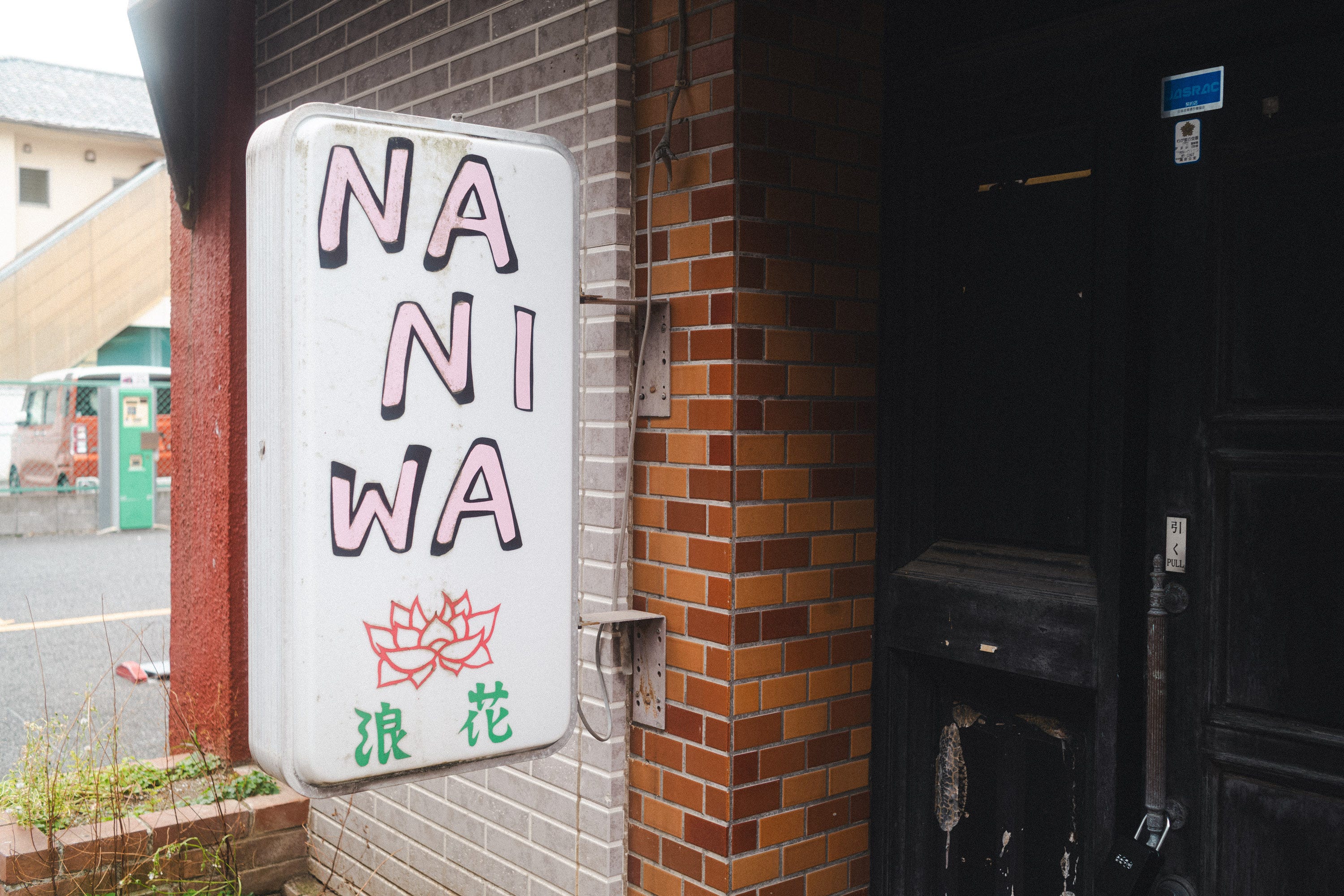
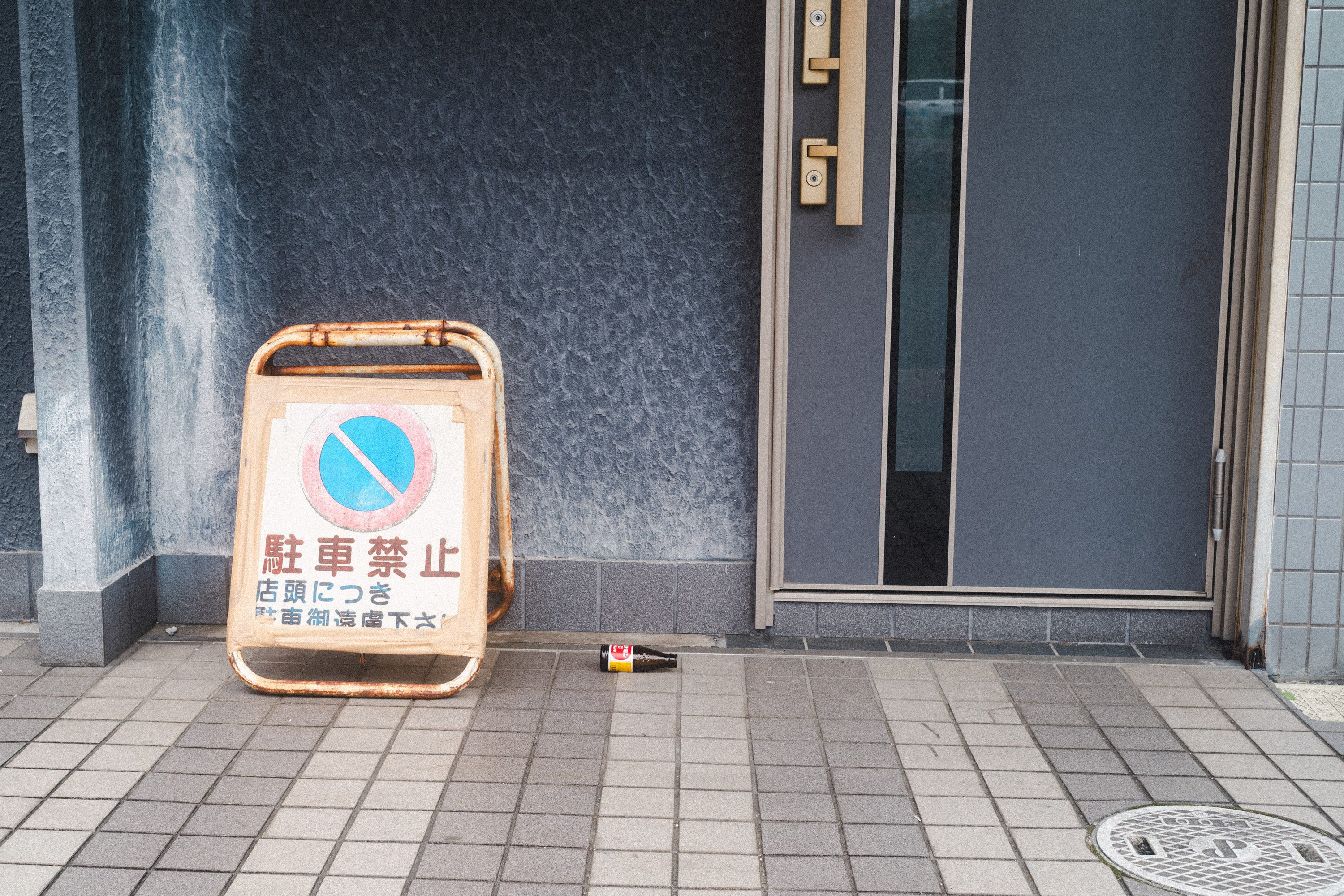
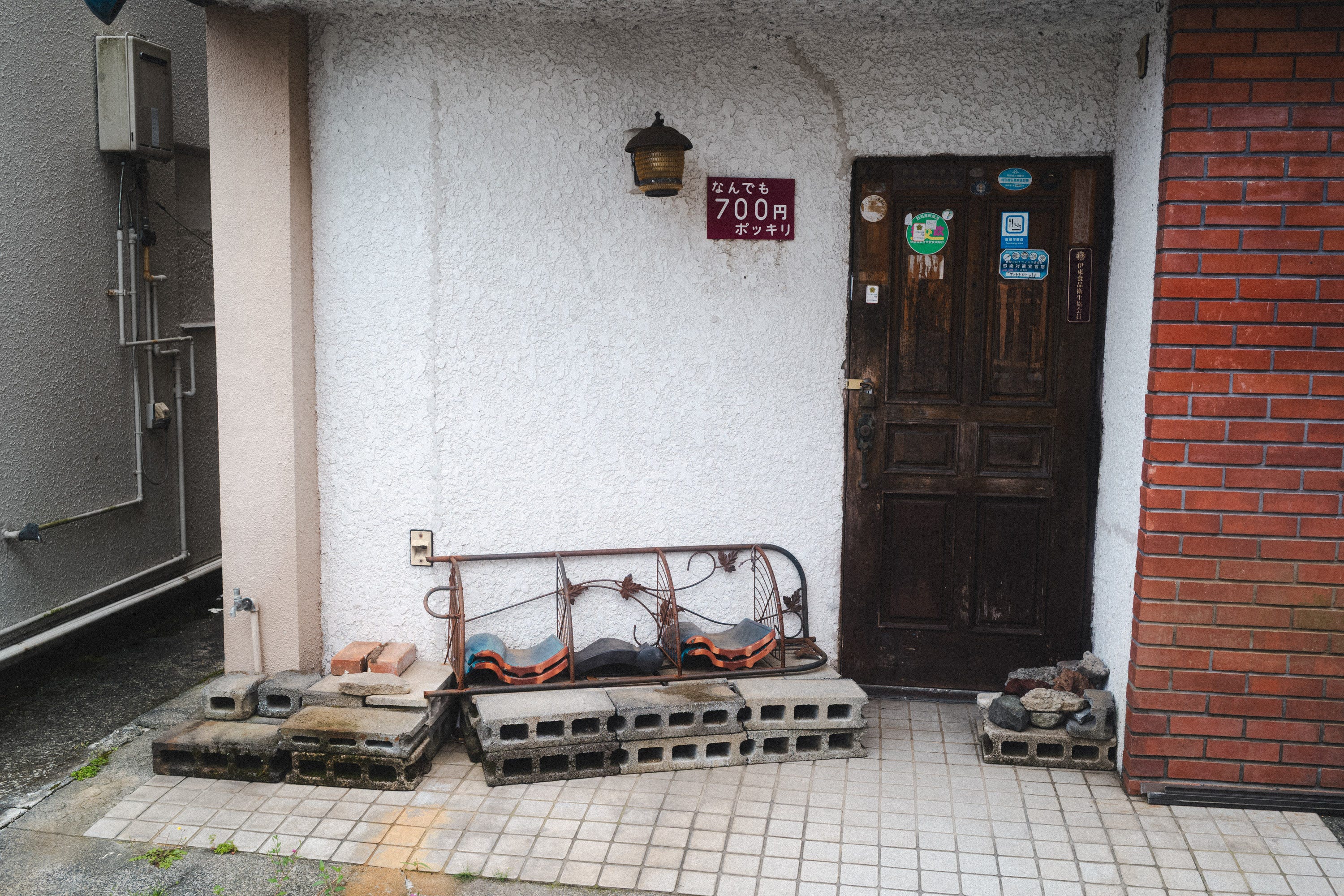
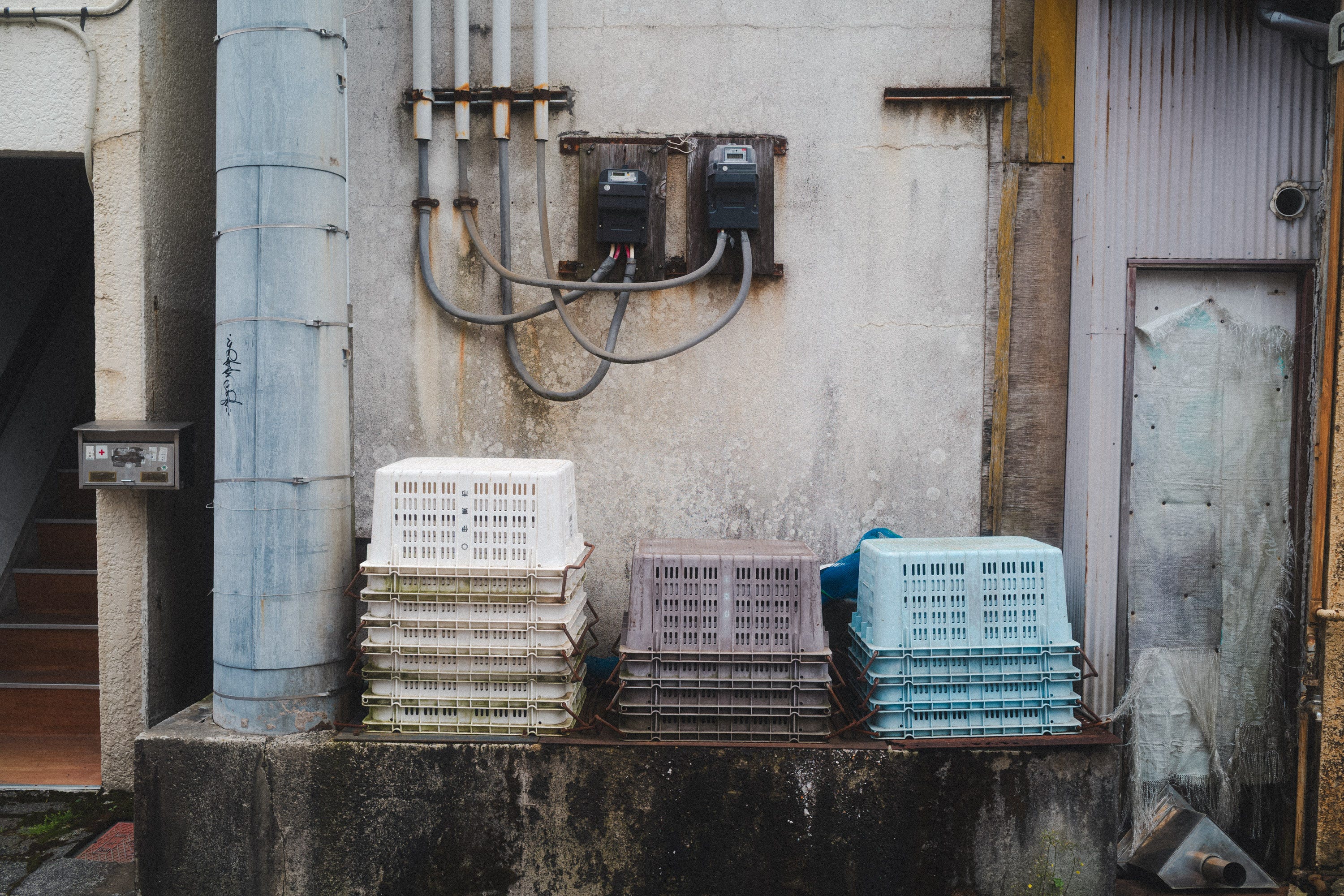
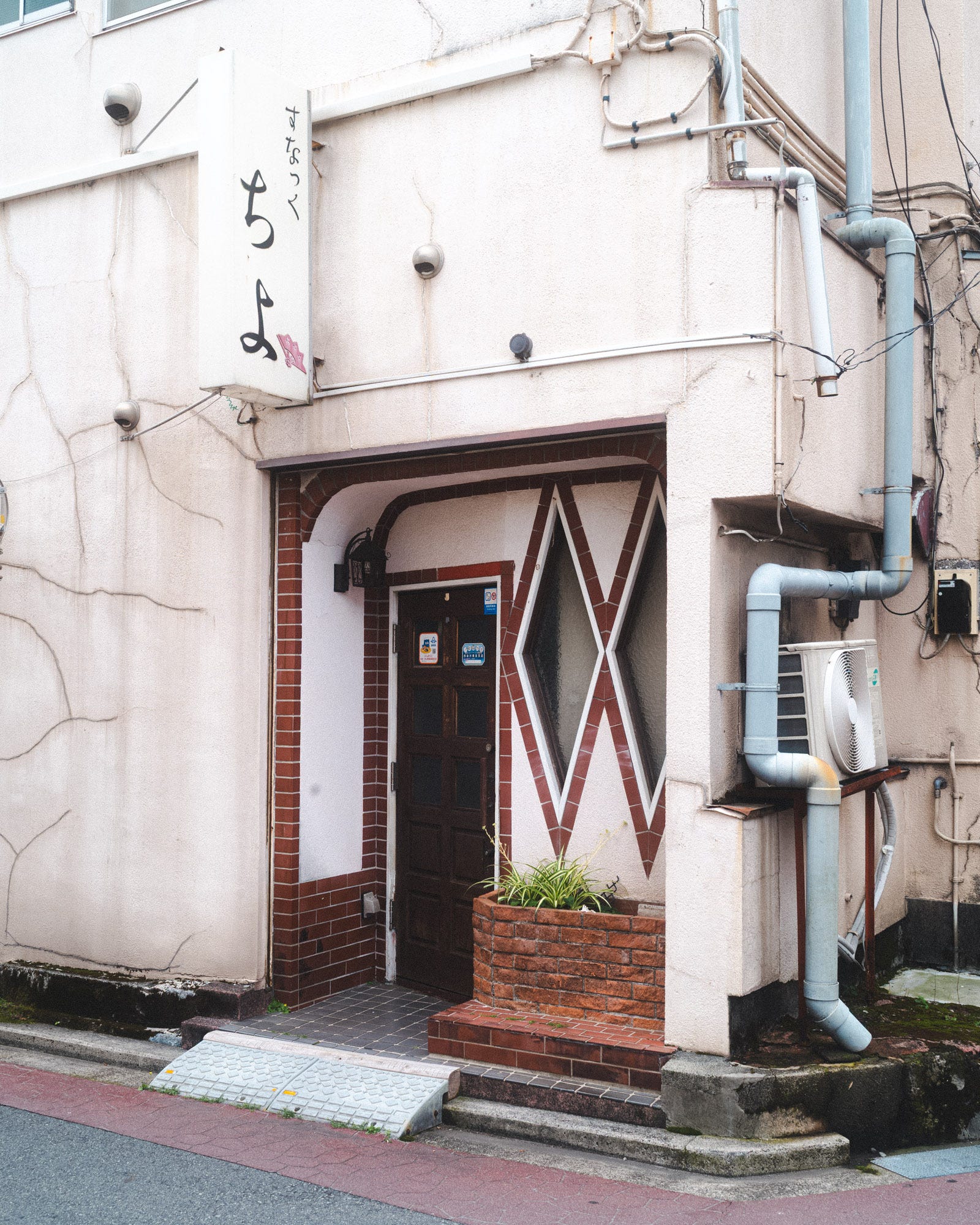
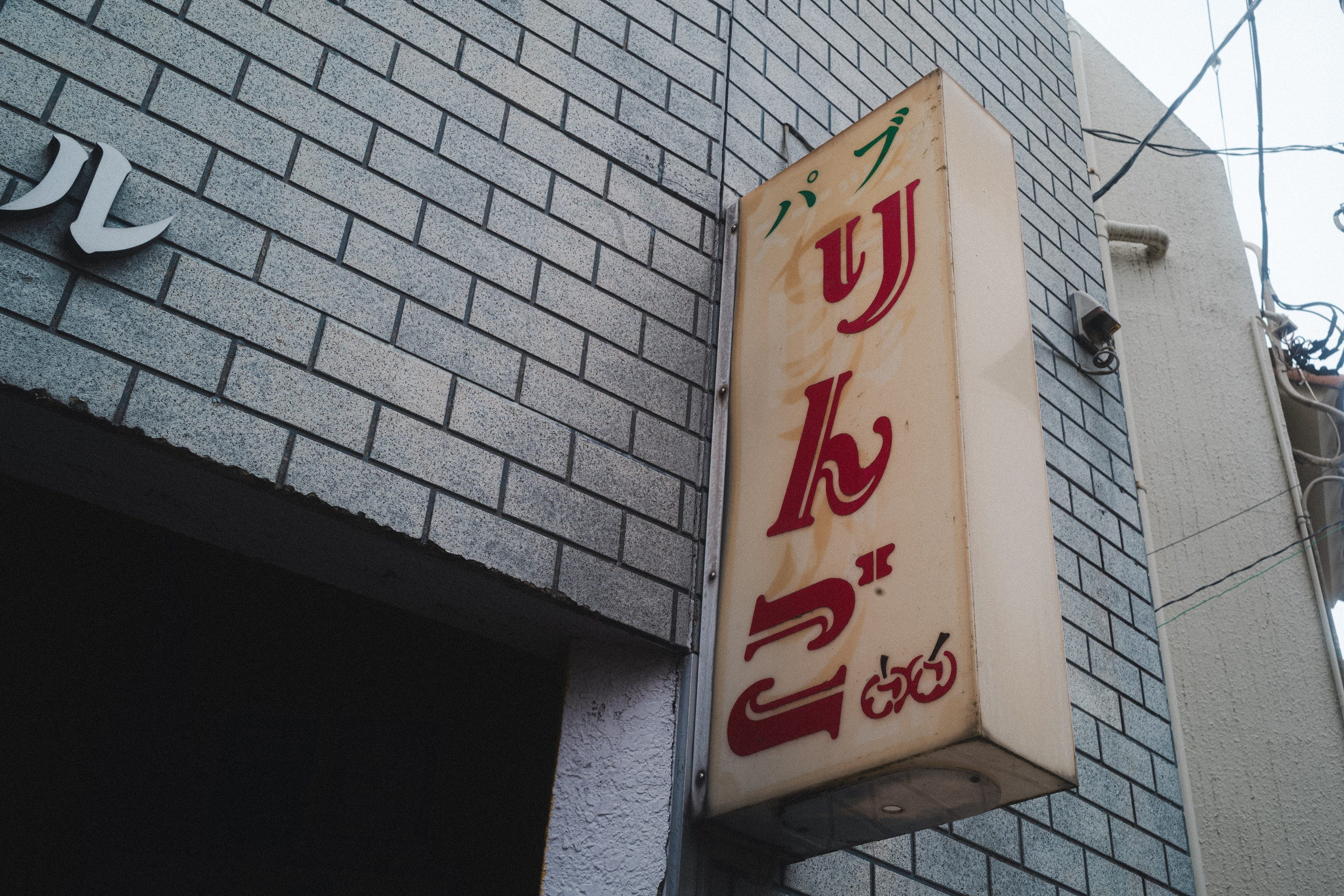
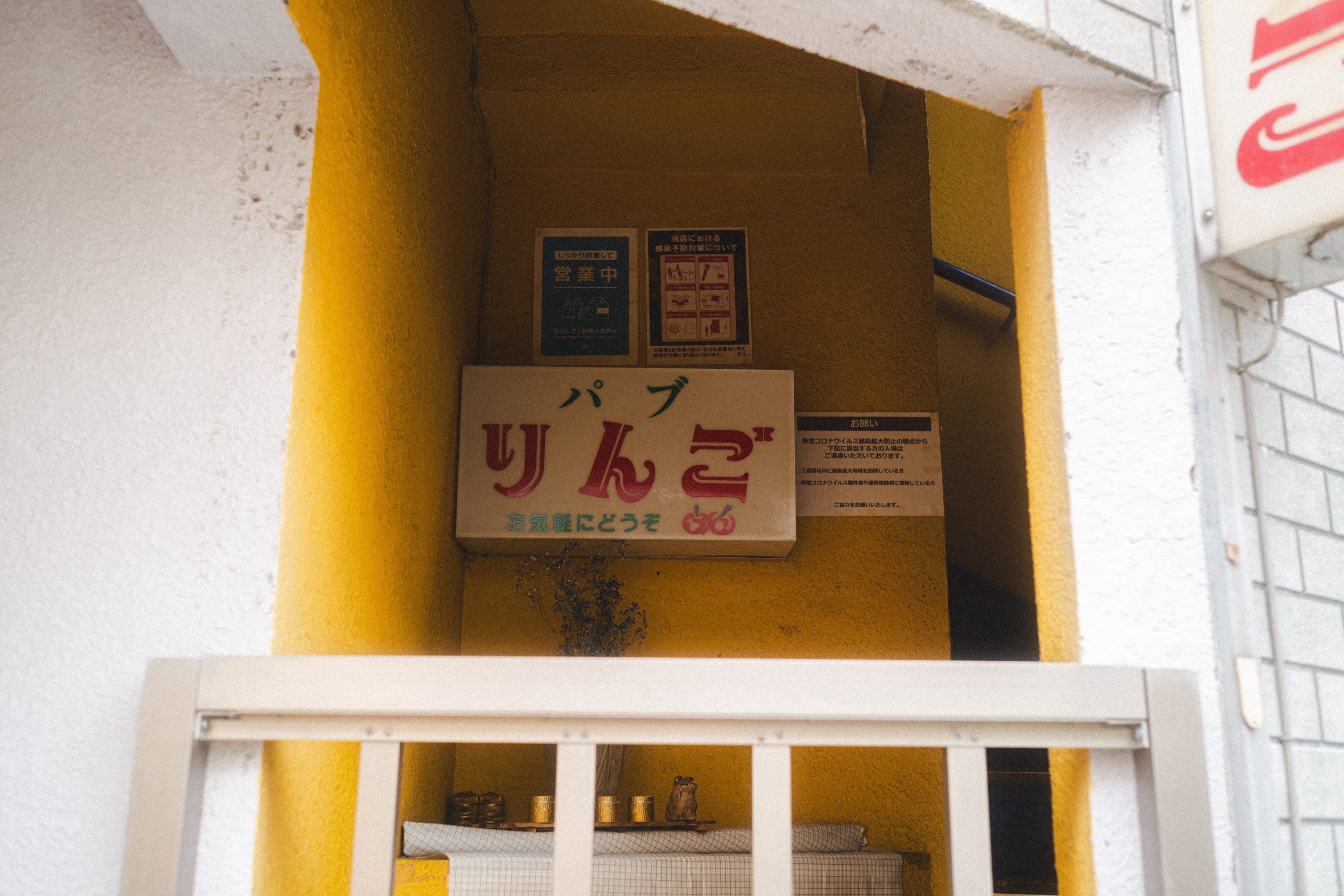
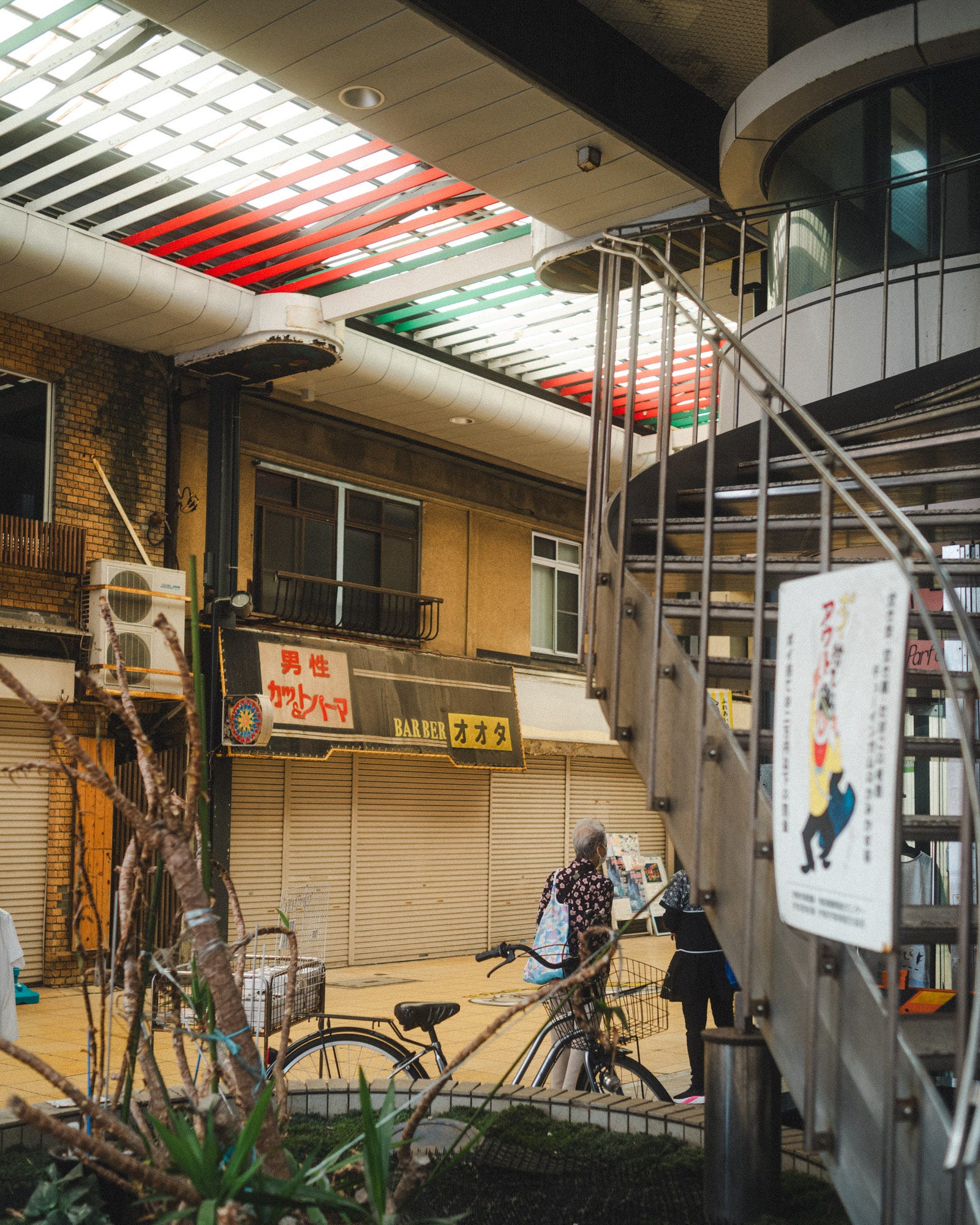
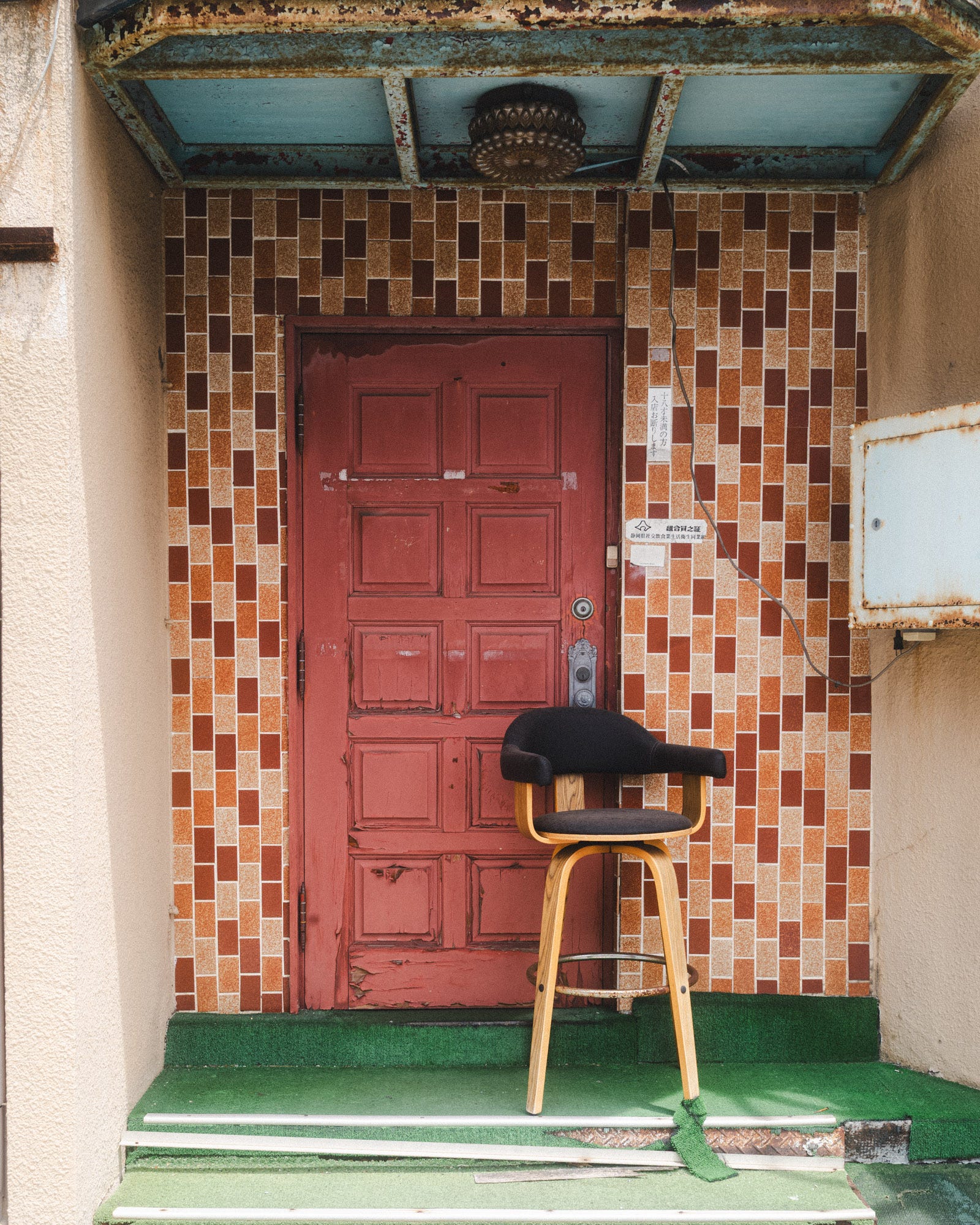
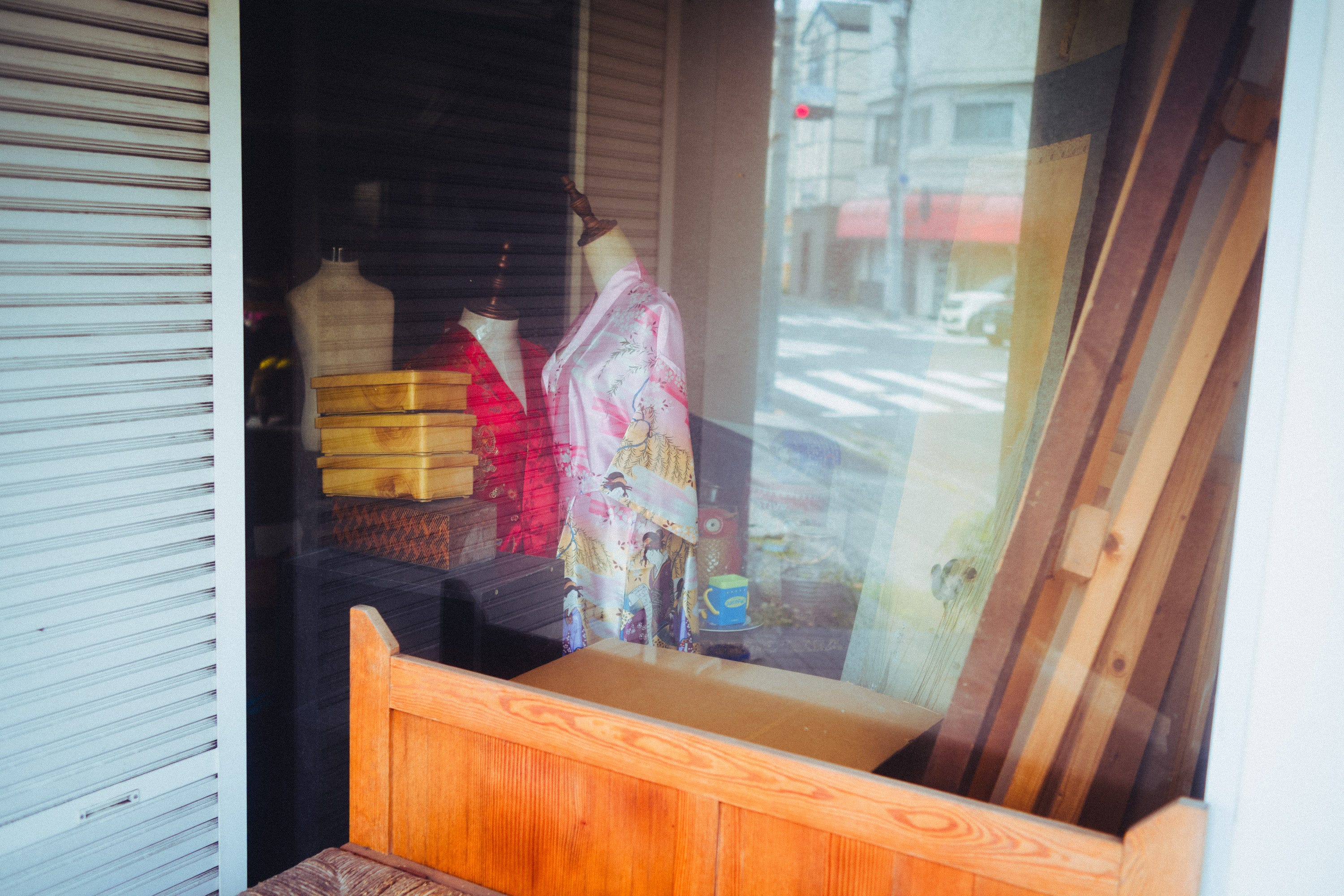
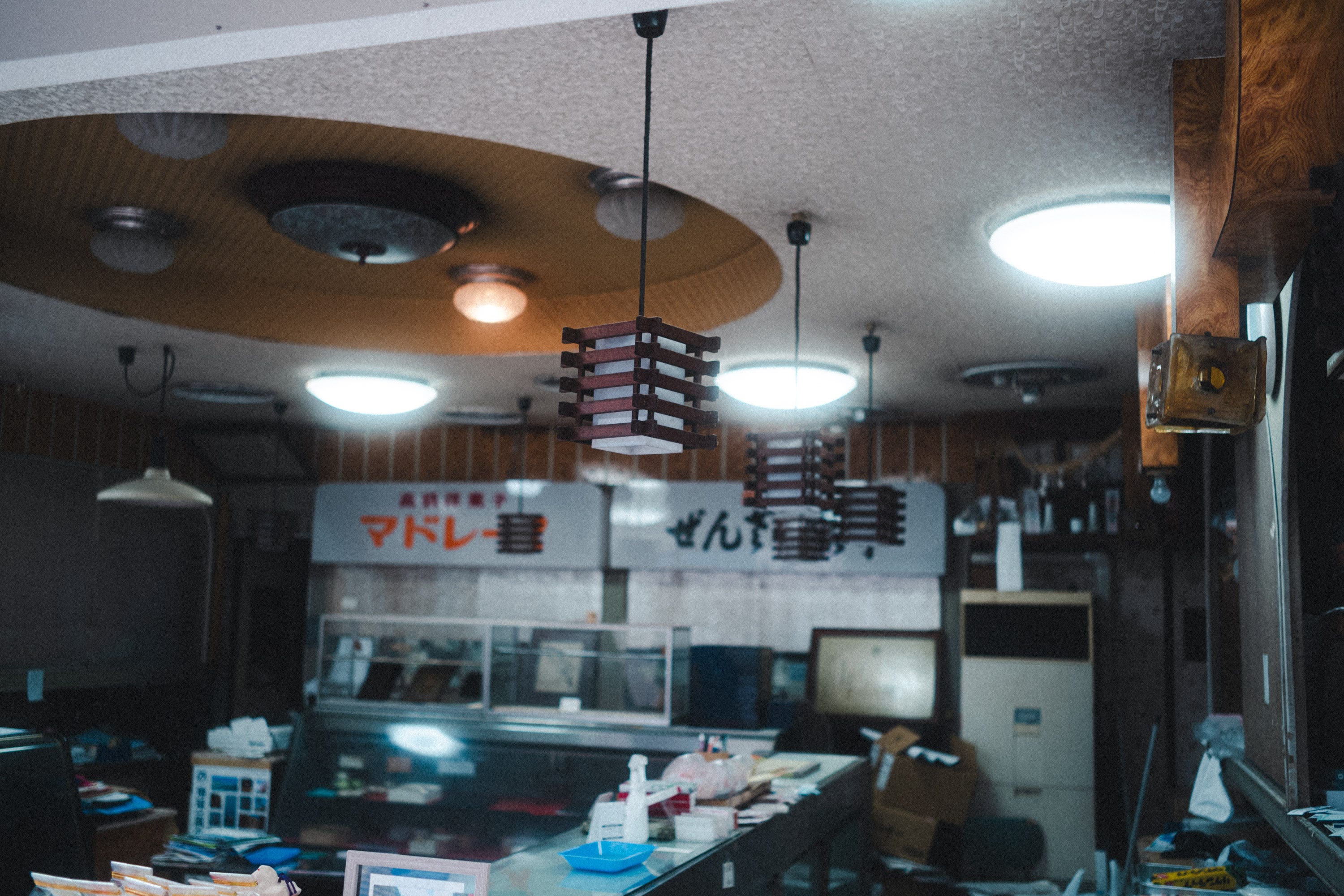
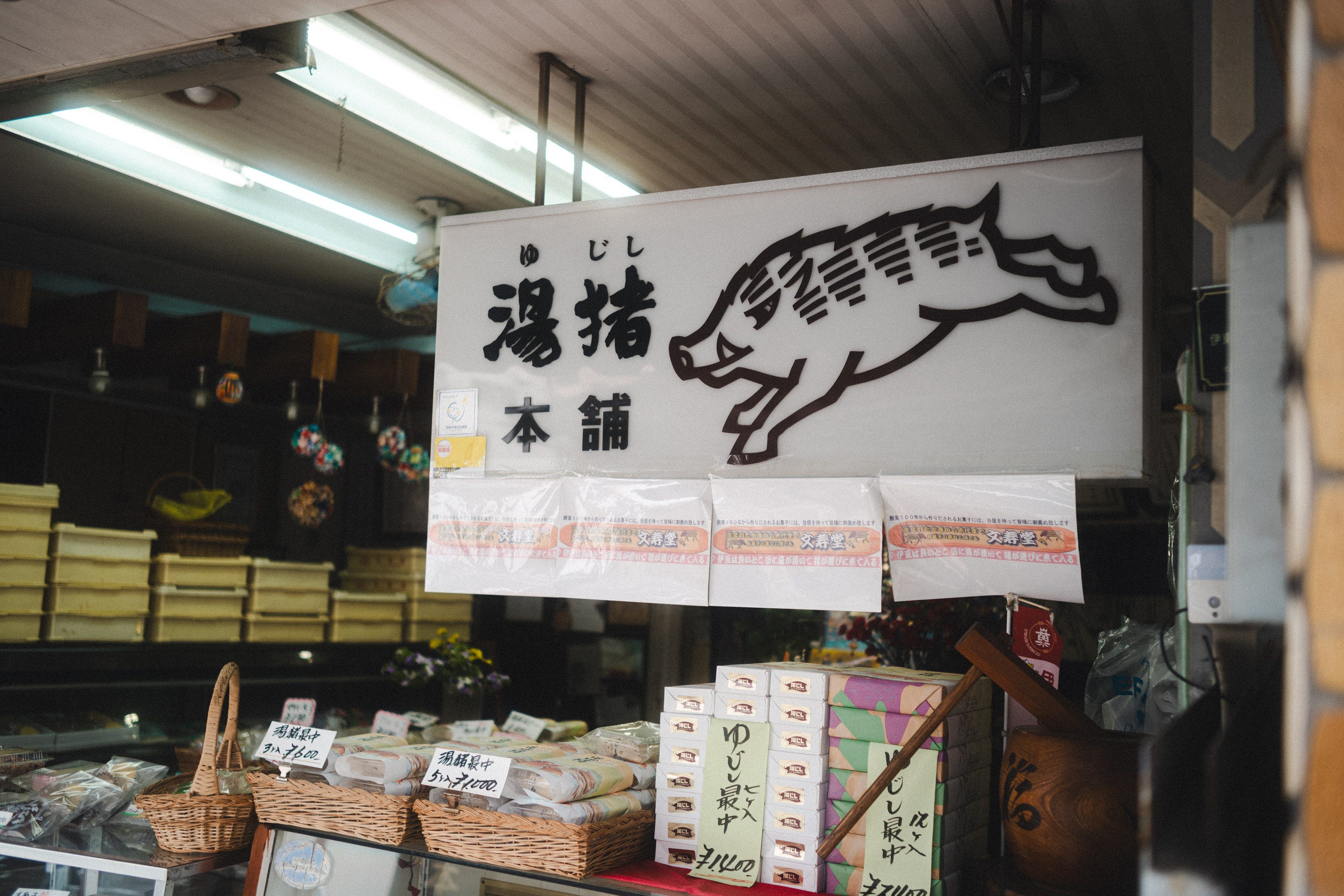
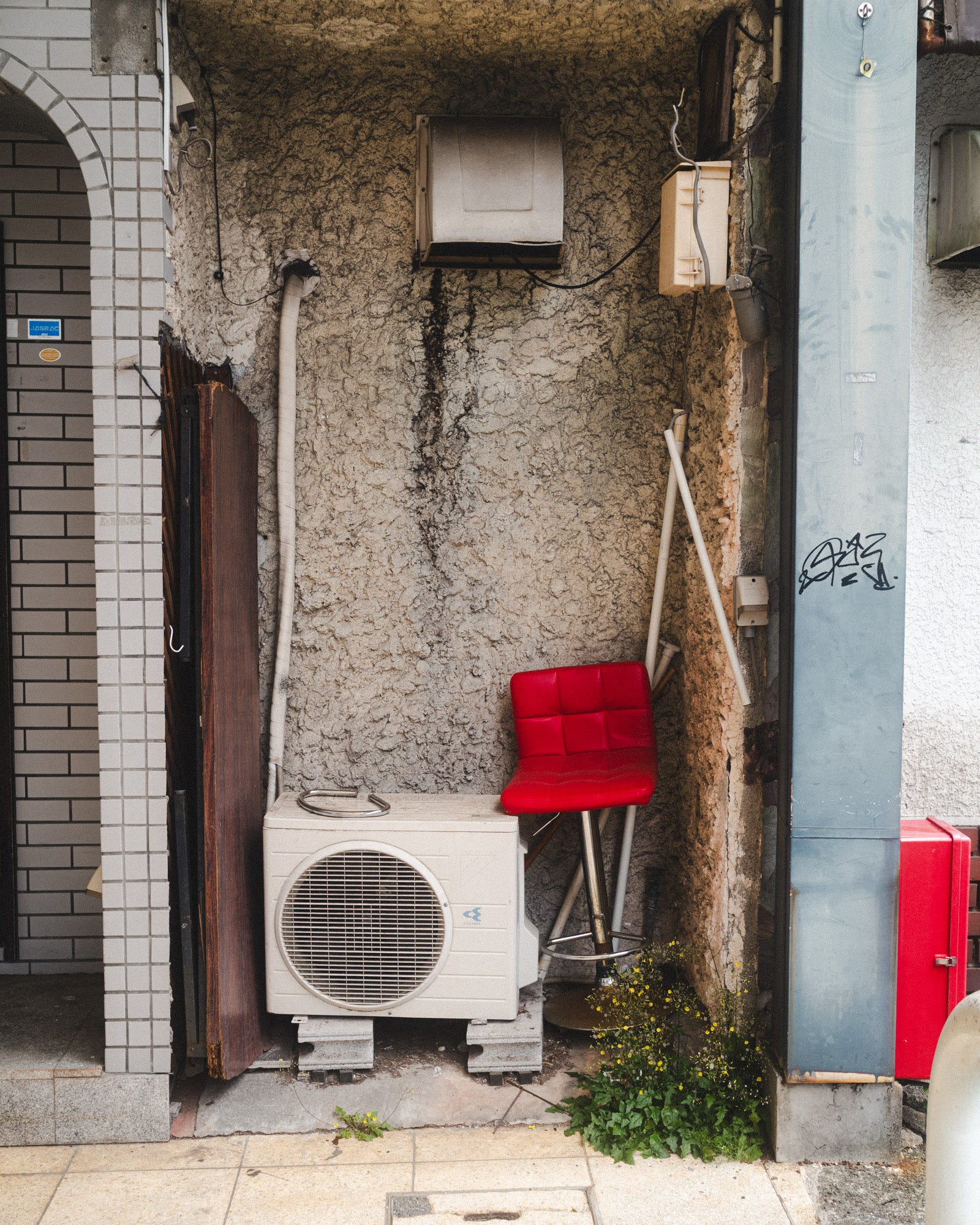
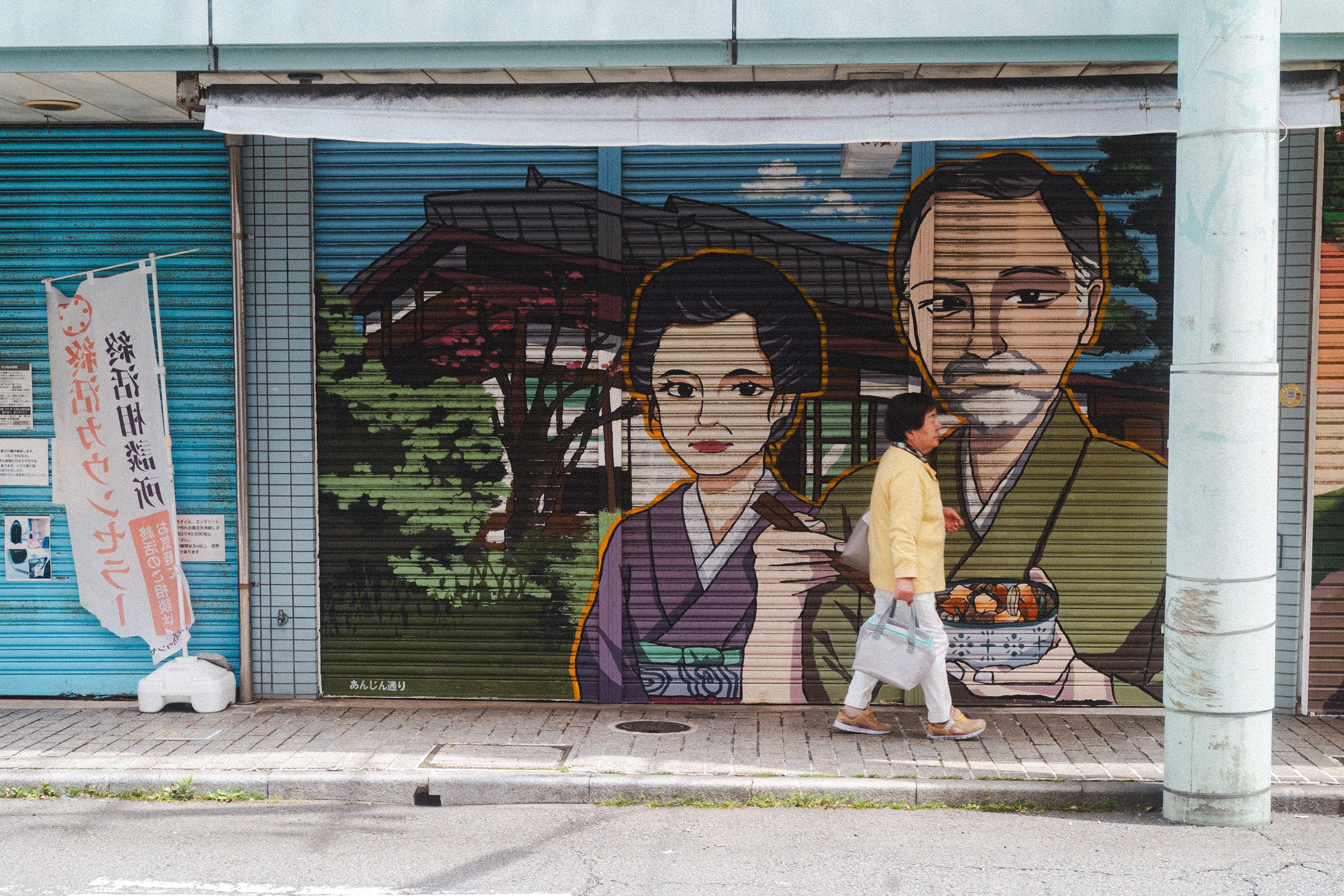
I have a couple dozen more images of this history-filled city. Thousands of people come and go and never know what happened here. Japan took a turn in more ways than one because of that history, and I’ll continue to capture images of how it’s changing. I don’t know where it’s going, but I’m headed there none the less.
More images, coming soon.
Thanks for reading Tokyo Heavy. I’d really appreciate you sharing this article. Every little bit helps. Also, please subscribe. I genuinely appreciate it. Cheers!

Awesome images all around and such an interesting history. Some of these go hard though, dude. Definitely putting this place on my list.
This was such a great read. Quality images to boot.