


I walk the streets of Tokyo, camera in hand, multiple times a week. I photograph people, places, and things without tunnel vision, and if there’s something shiny, I look at what causes it, not the glimmer itself. This is my craft, and it has led me down a path of discovery beyond Shibuya Scramble Square or Shinjuku’s tourist-laden yokochos.
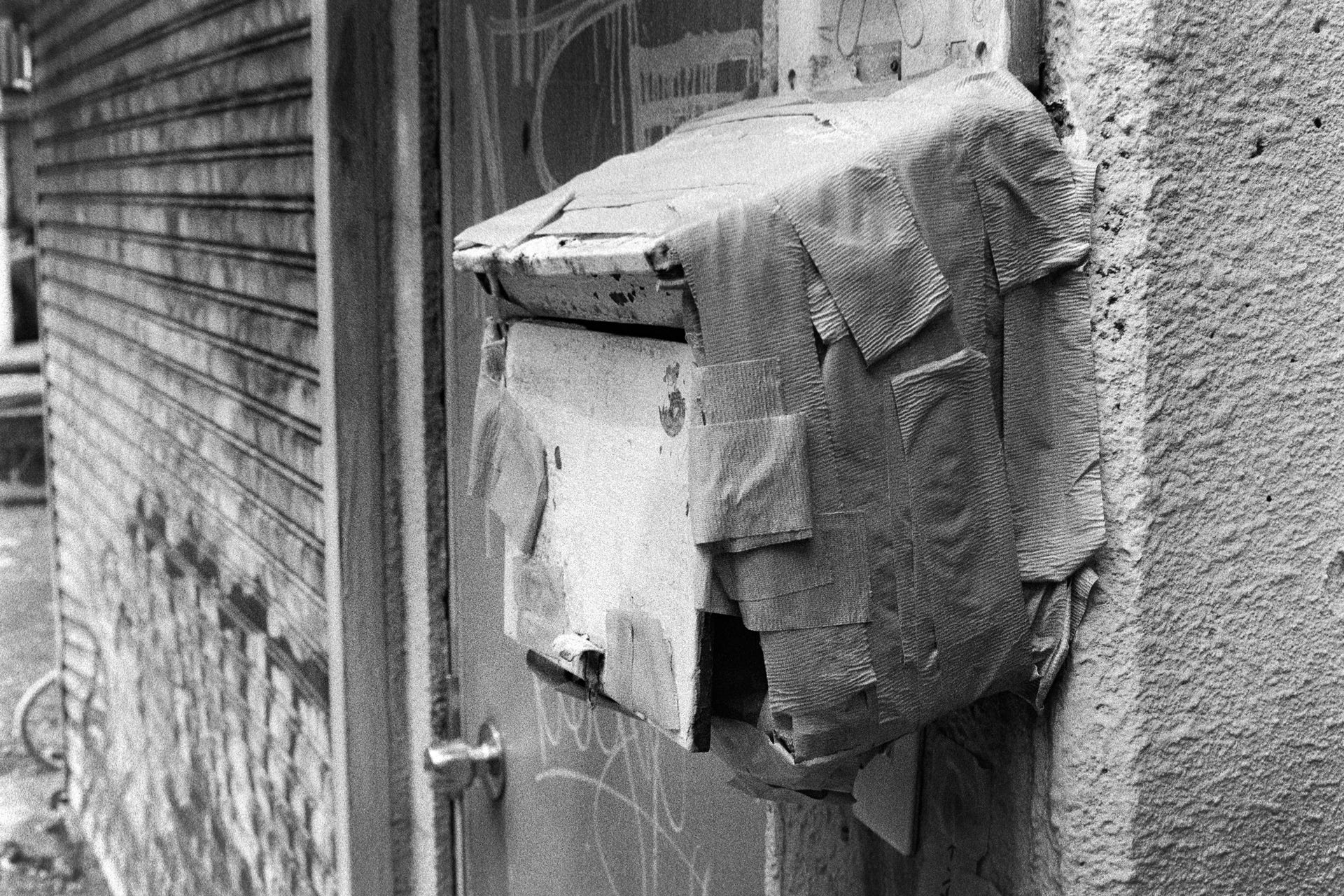
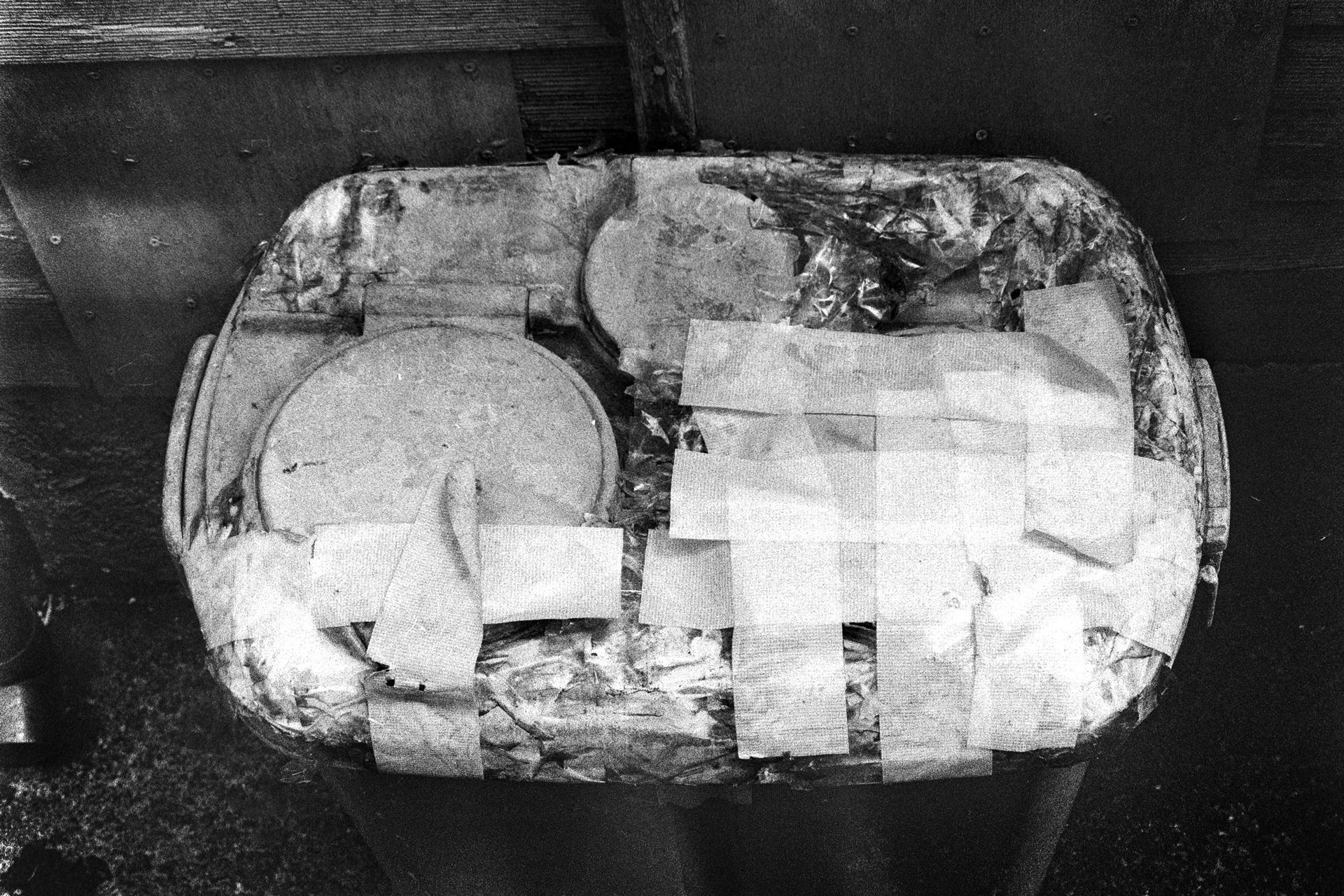
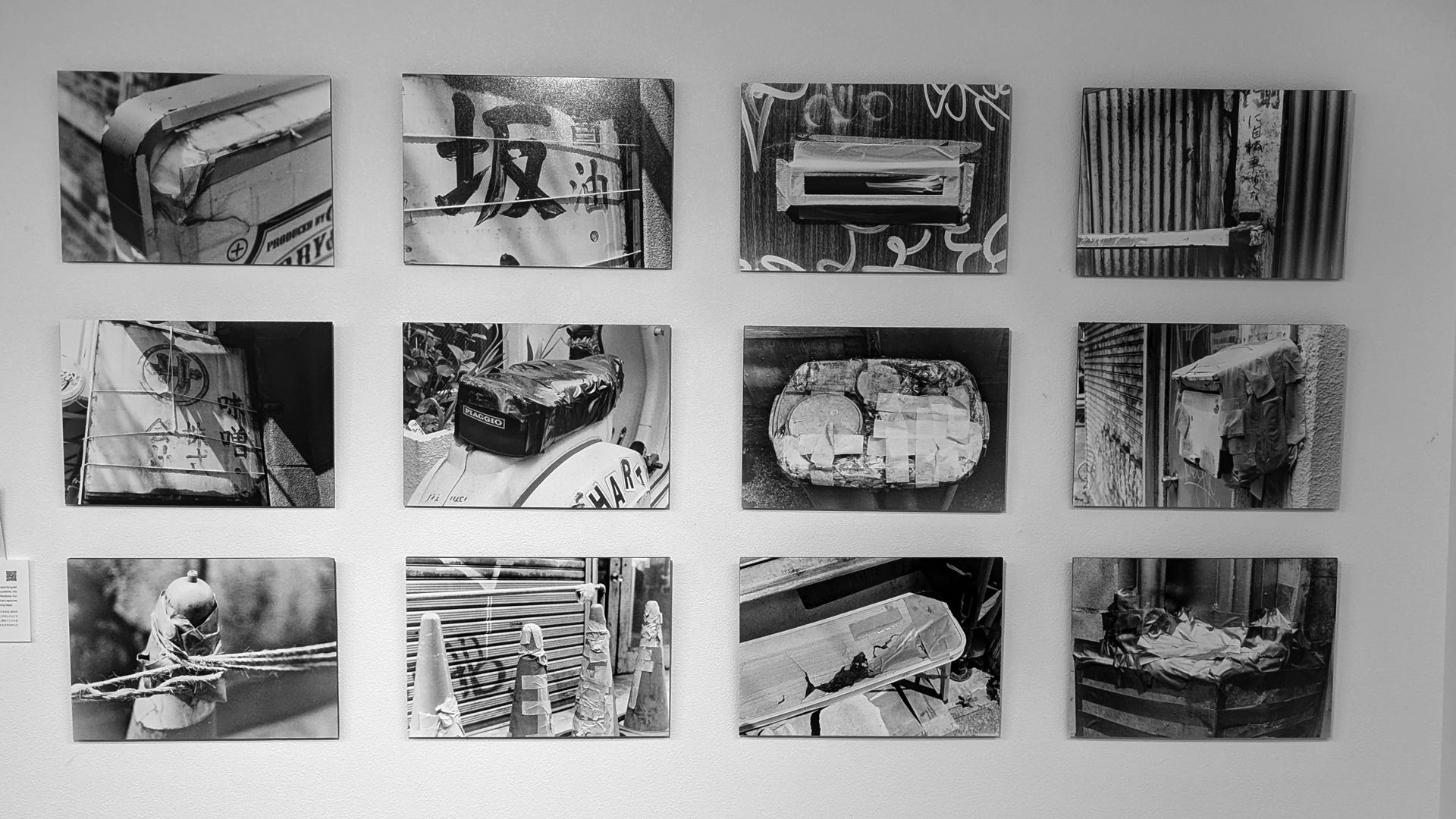
I had a WTF moment about a year ago when I was in what I call Deep Tokyo. I noticed several things covered in tape. Why was this? I gathered it was because the tape was binding things like a broken lid on a container that still needed to be used, rope holding a sign together, or a board held by wire for longer-lasting power. Discoveries like this appeared in a number of neighborhoods around Tokyo. All this made me wonder, why? Why would someone hold on to something that was so incredibly trashed or seemingly ready for the bin? I still don’t know.
The upcoming Tokyo Streets photography exhibition in the first week of September made me think about what I wanted to show the world. Would it be bright, shiny color images of the last bits of neon clinging to Tokyo’s skyline? Would it be salarymen slurping ramen in a dimly lit izakaya after a hard day’s work? Would it be night shots of puddles reflecting red lanterns on a building’s exterior? No.
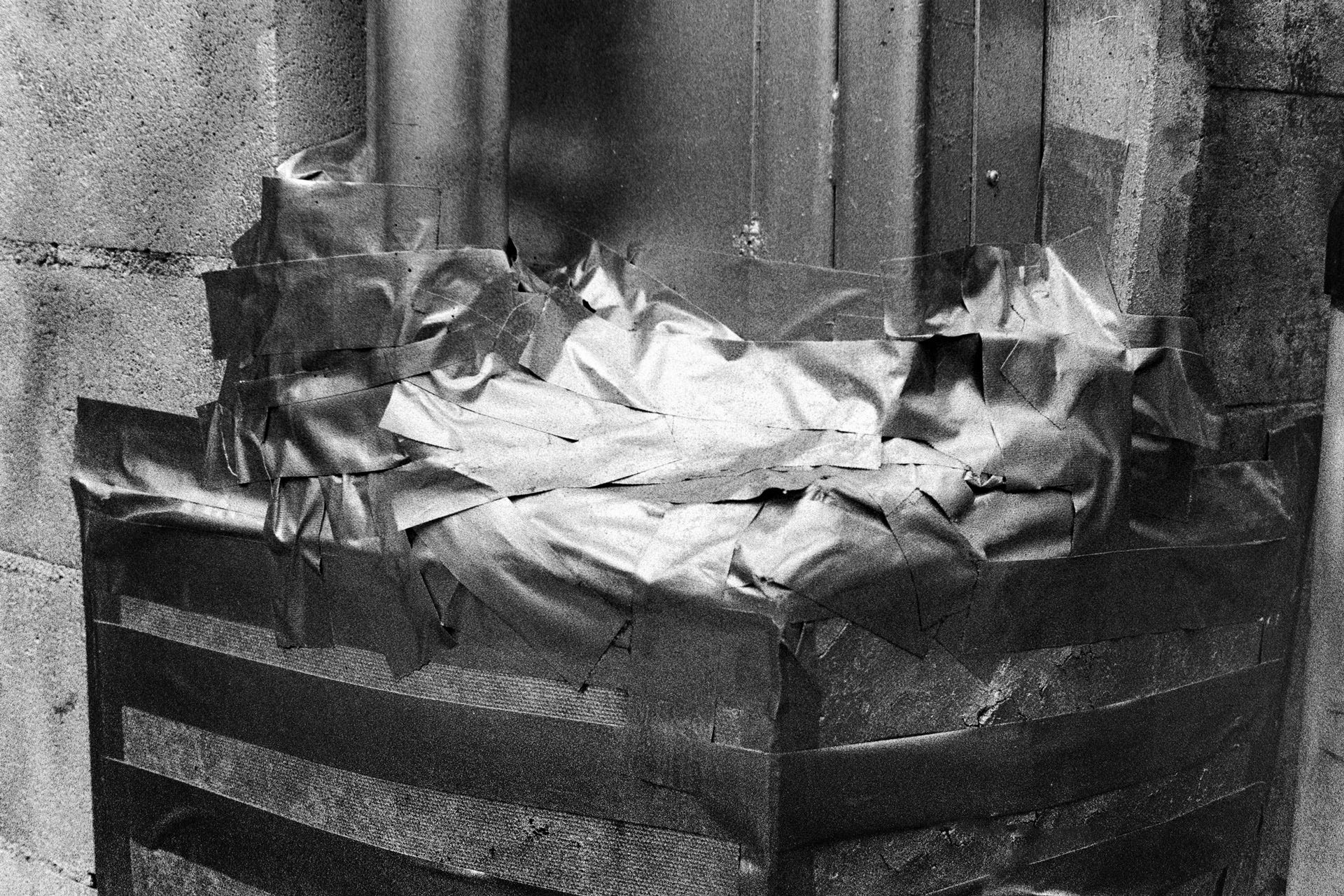
I showed twelve black-and-white film images of my discoveries. This was a huge undertaking, mostly because I knew they would be scrutinized. I was right. Who pondered my work the most? The Japanese viewers. As I stood near my displayed pieces, I tried to read the room and decide whether or not to approach people. When I saw a group of older Japanese men look at my work, glance at each other, shake their heads, and move on, I stayed silent. Similar moments happened for six days. Yes, there were plenty of people who wanted to know more and asked earnest questions and we had good conversations describing and learning together. But I can safely say that nobody gave me answers that spoke for a nation’s cultural identity.
One of the highlights was meeting Herbie Yamaguchi, the Japanese photographer, essayist, and radio personality best known for his gentle and humane monochrome portraits of London’s 1970s punk scene (including figures like Joe Strummer and Boy George) and his ongoing work capturing the “hope of life” in everyday people. We spoke at length about my images as art, which made me realize how deeply he dove into my work, trying to make sense of it. He even wrote “Tape, Rope, and Hope” (the title of my exhibition) into his journal as we spoke.


After the show concluded, a Japanese viewer wrote to me saying that most Japanese people would not understand my photography because “they have to use their brain” to make sense of it. What I believe he meant was that Japanese people may need to dive deeper within themselves to really grasp the meaning of what I was exhibiting (as anyone would, really). There’s a nuance sometimes lost in translation, and I understood perfectly what he was trying to tell me. I respect him for going out of his way to share this and I’m grateful he did.

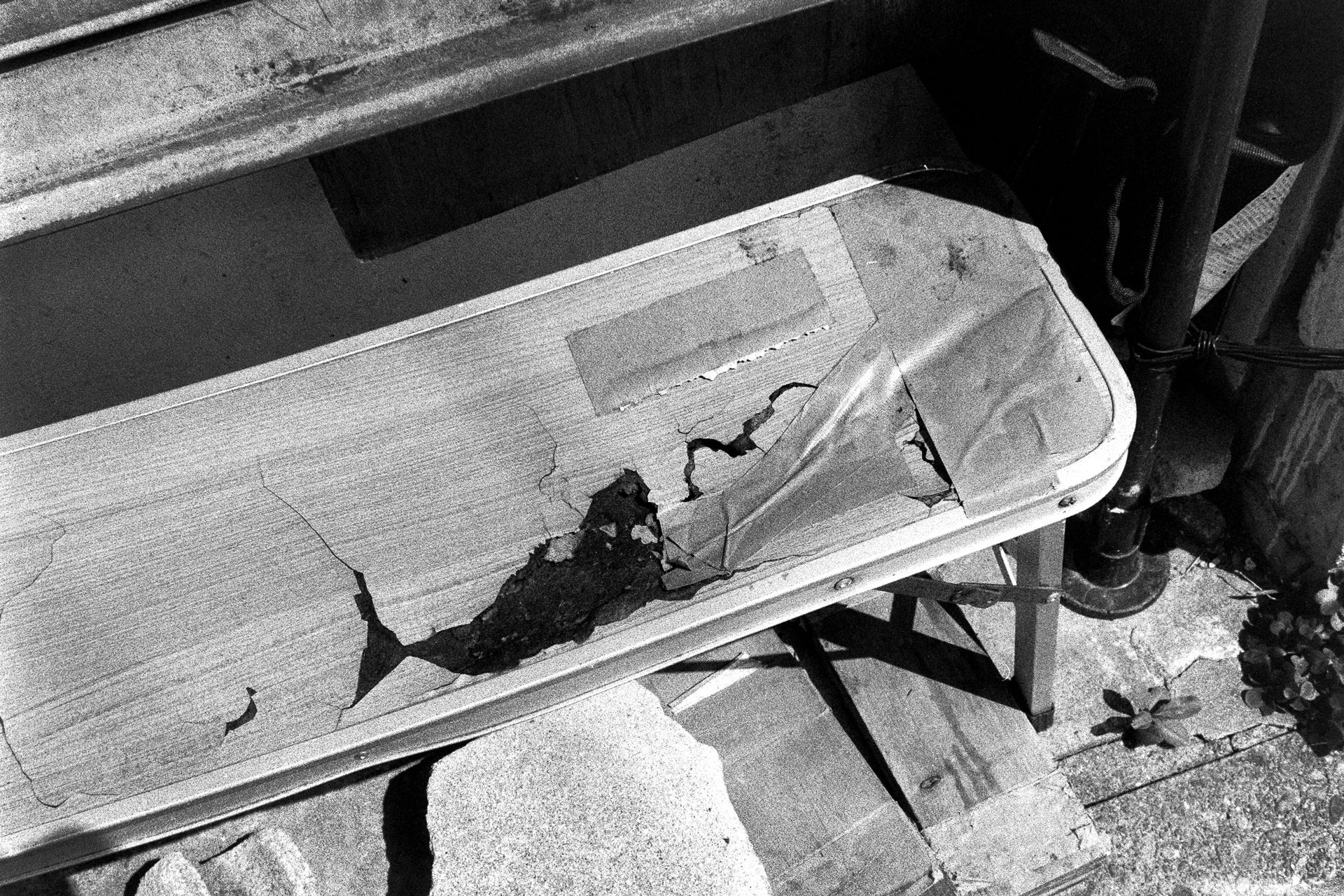
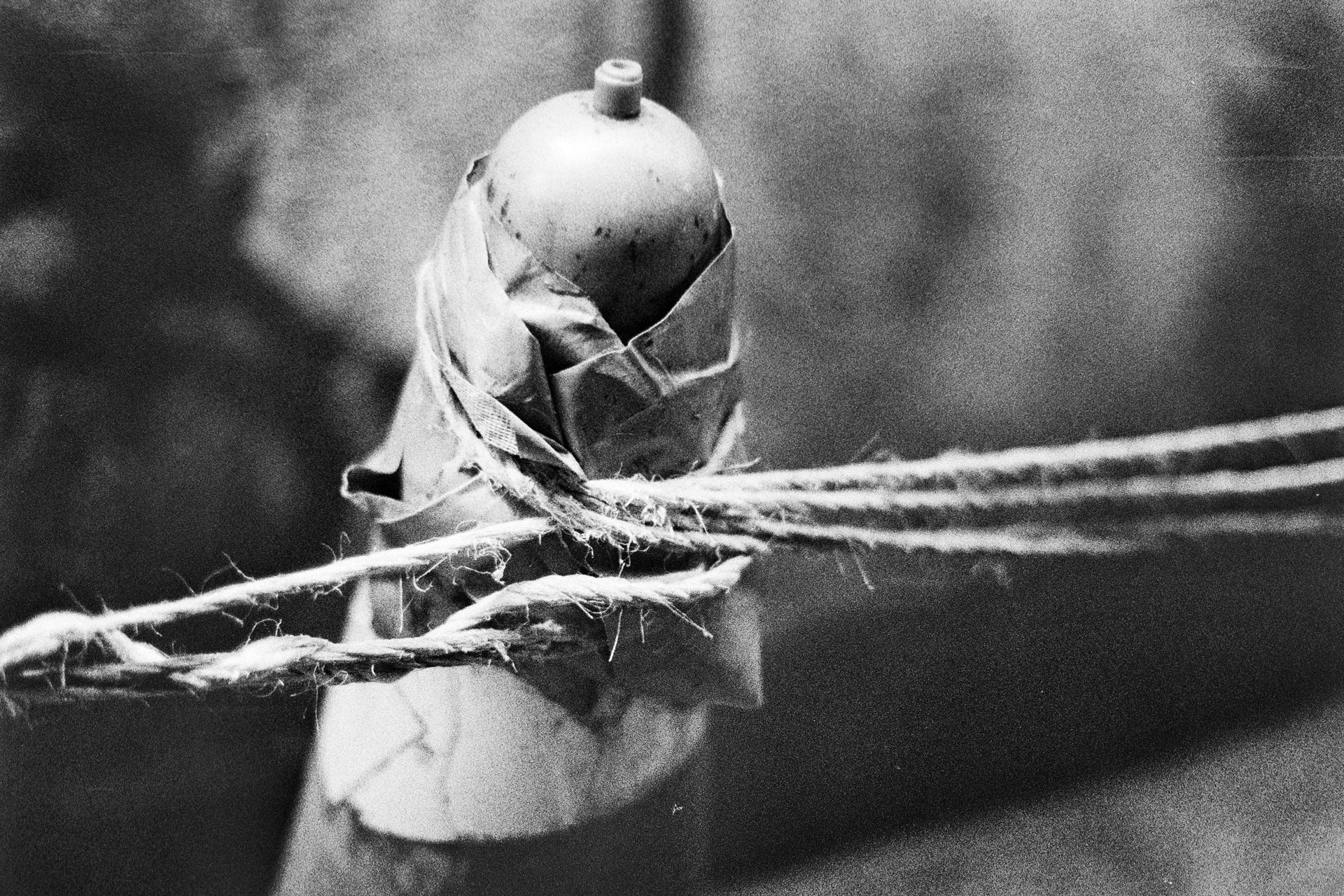
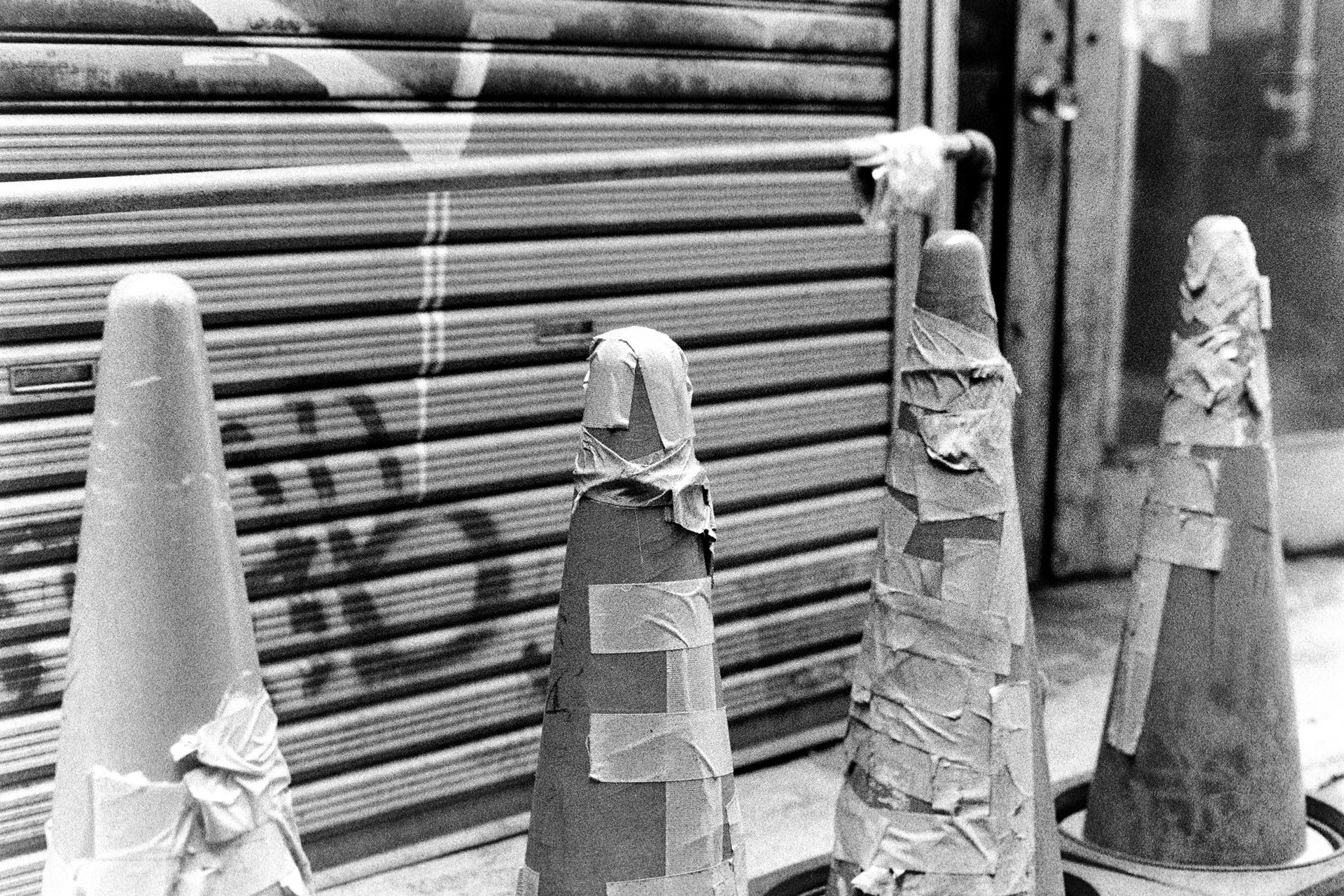
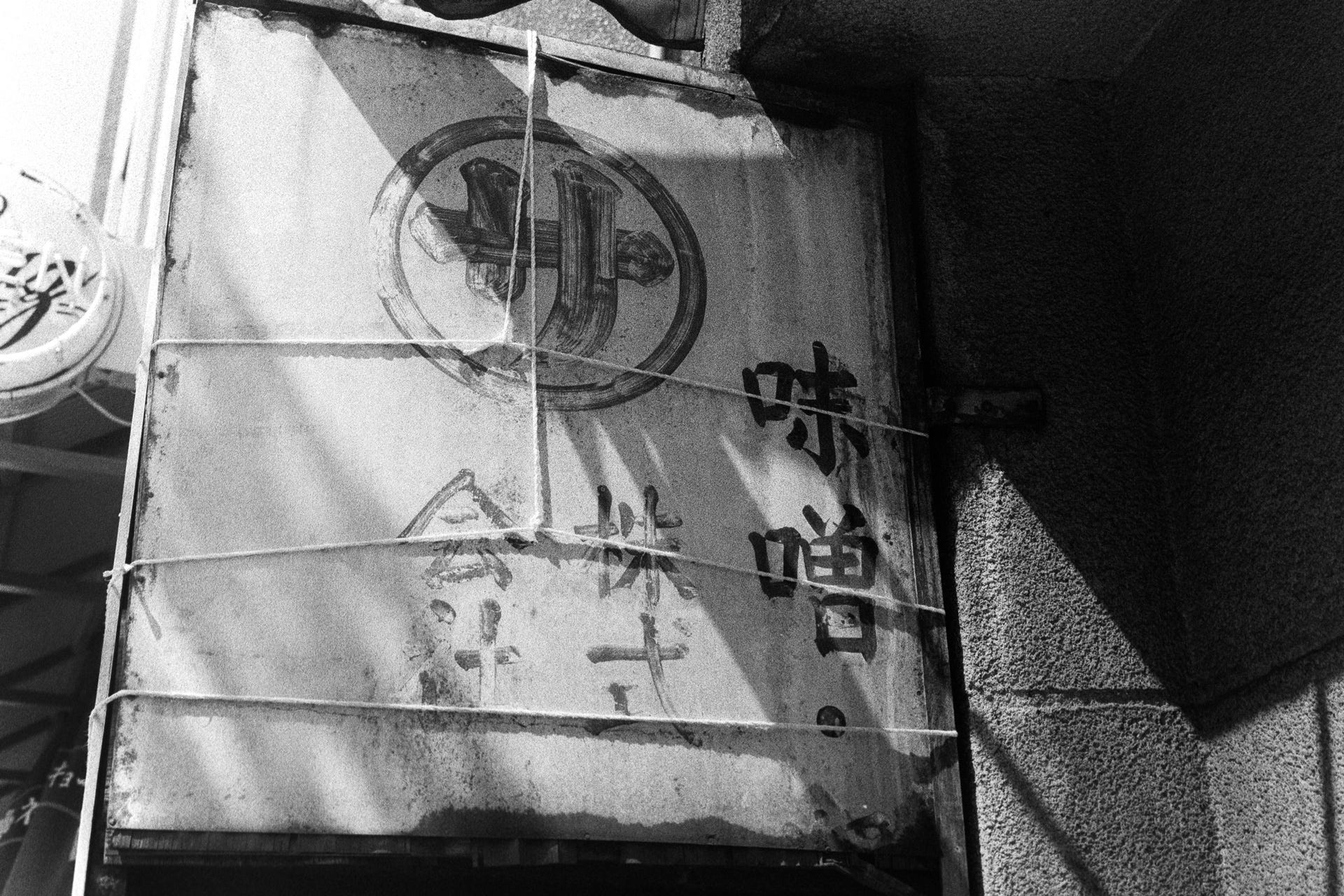
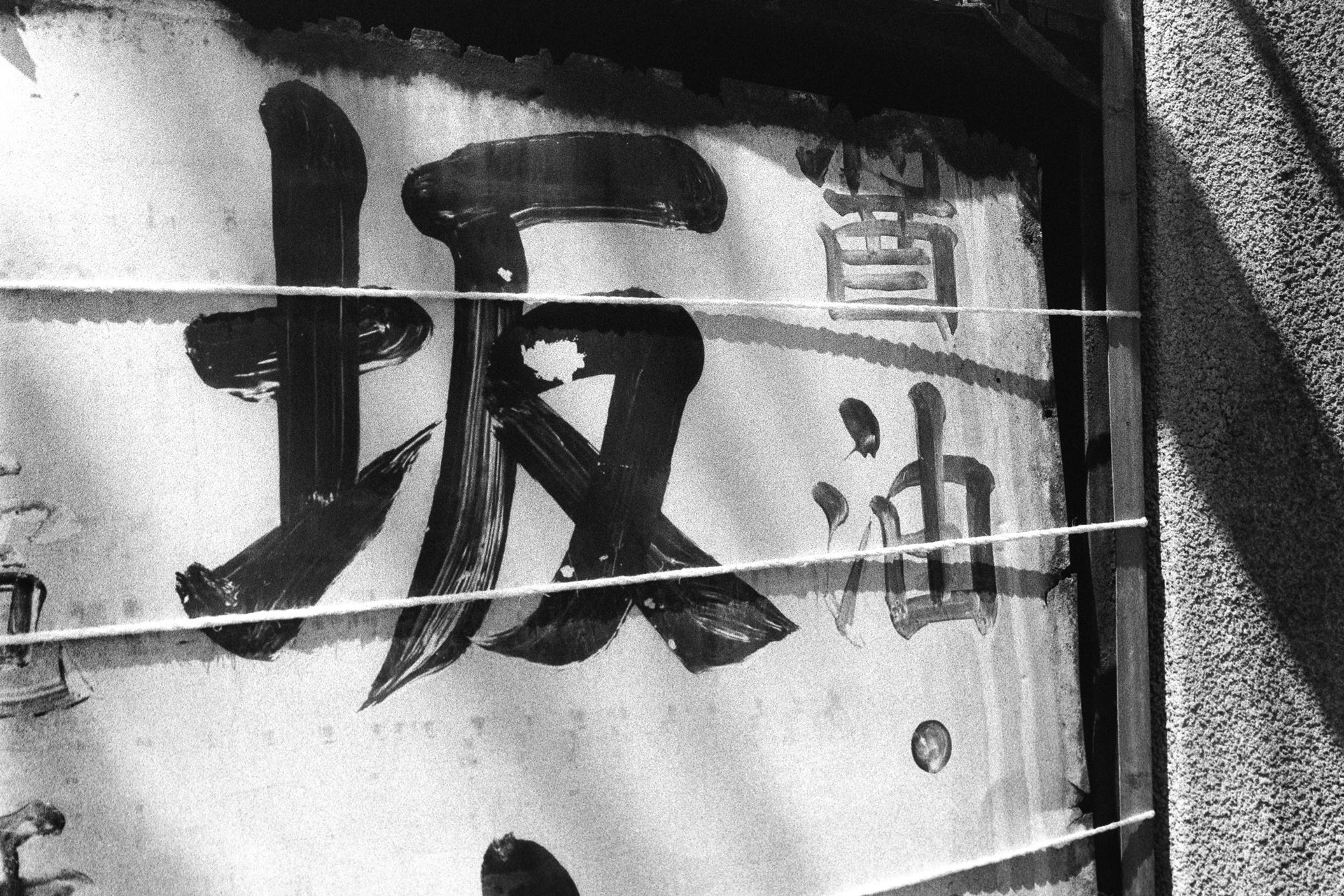
A week or so ago, I had a conversation with an artist I respect most. He told me this body of work isn’t the kind people hang in their homes or frame neatly, it’s work meant to be in a museum. It’s there to make people ponder the scenes. Do folks tape things up because they can’t afford something new? Is it resourcefulness? Is it resilience? Is it laziness? Is it a cultural gesture akin to kintsugi?
These are real questions and they are questions that I was asked at the exhibition. Nobody knows the answer except for those who use the tape and rope and hold on to a bit of hope.
If you’re interested in seeing where I shot some of these scenes, take a look at this video I created while strolling in Sangenjaya, Tokyo. This area is ground zero for taped and roped up items.
I’ll see you on the streets.
Loved this and your exhibition, Jason.
Man, I love these and the curiosity that brought you to them. I think you presented them perfectly, and the mysteriousness of it all only lends to the reason they should be photographed, as they may not be around forever, clearly. Awesome stuff.